
Gout Treatment and Relief Care
Sudden, severe joint pain in your big toe? We diagnose and treat gout to relieve symptoms and prevent future attacks.
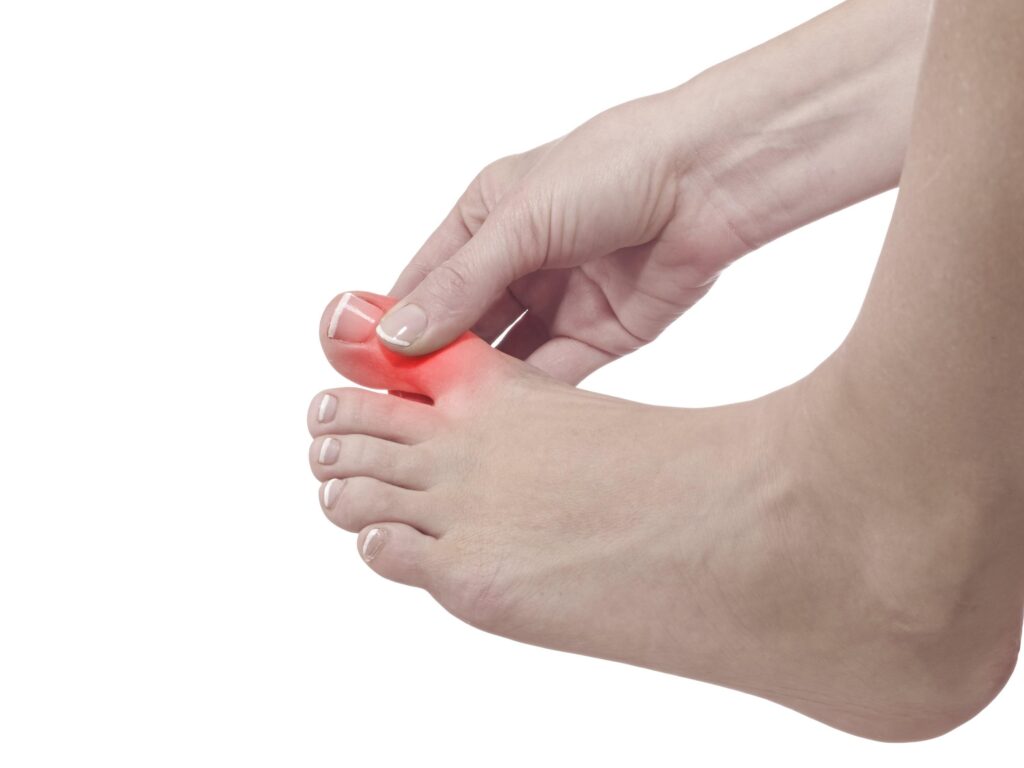
What You Need To Know About Gout
Understanding gout, its symptoms, and how we can help you find relief.
Understanding and Treating Gout
Gout is a common type of arthritis that most often affects the joint at the base of your big toe. While it is more common among those over 30, people of any age can suffer from this condition. Left untreated, it can lead to painful foot deformity and even kidney problems.
Gout is caused by an excess of uric acid, a waste product made by the body. Normally, your body removes uric acid from your blood and eliminates it through urination. When you have gout, uric acid builds up and crystallizes in your joints, bringing on a gout attack. Uric acid is the result of the breakdown of purines, chemicals found naturally in our bodies and in certain foods and beverages, such as red meat and beer. In some cases, gout develops because the kidneys cannot effectively eliminate uric acid. Other times, the body produces too much. Gout commonly affects the big toe because uric acid crystallizes at cooler temperatures, and the toe is the coolest part of the body.
An attack of gout can be miserable, with symptoms that come on suddenly, often in the middle of the night or upon waking. Common signs include intense joint pain, swelling, tenderness, redness, warmth, stiffness, and restricted range of motion. Attacks can last from a few days to a few weeks.
Without treatment, gout can lead to increased pain and joint damage. If you experience sudden, intense joint pain, schedule an appointment with SoCal Foot Care right away so we can confirm the diagnosis and start you on a treatment plan.
Managing and Preventing Gout Attacks
Initial treatment of a gout attack focuses on relieving pain and reducing inflammation. Your provider may prescribe medications or injections to treat pain, swelling, and inflammation. You will also be advised to avoid foods and beverages high in purines, drink plenty of water, and avoid alcohol, which causes dehydration. Immobilizing and elevating the foot above heart level helps reduce swelling and gives the joint a rest.
With treatment, the symptoms of gout usually resolve in three to ten days. If symptoms continue or repeated attacks occur, daily maintenance medication may be needed. Addressing the underlying buildup of uric acid is important, since long-term accumulation can cause arthritic damage to the joint.
Certain factors increase your risk for gout, including a family history of the condition, high blood pressure, diabetes, metabolic syndrome, heart disease, kidney disease, obesity, and prolonged use of diuretics. Recent trauma or surgery can also trigger an attack.
To help prevent future attacks, avoid alcohol (especially beer and red wine), red and processed meats, organ meats, shellfish, and certain fish such as anchovies, sardines, and mackerel. Drinks sweetened with fructose can also raise uric acid levels. Taking prescribed medication, losing weight if needed, controlling blood pressure and cholesterol, and drinking plenty of water all help flush uric acid from your body.
With the right combination of medication, dietary changes, and follow-up care, most patients can manage gout successfully and reduce the frequency of painful flare-ups.
Find Gout Care at a Location Near You
Visit one of our convenient SoCal Foot Care locations for expert gout treatment.






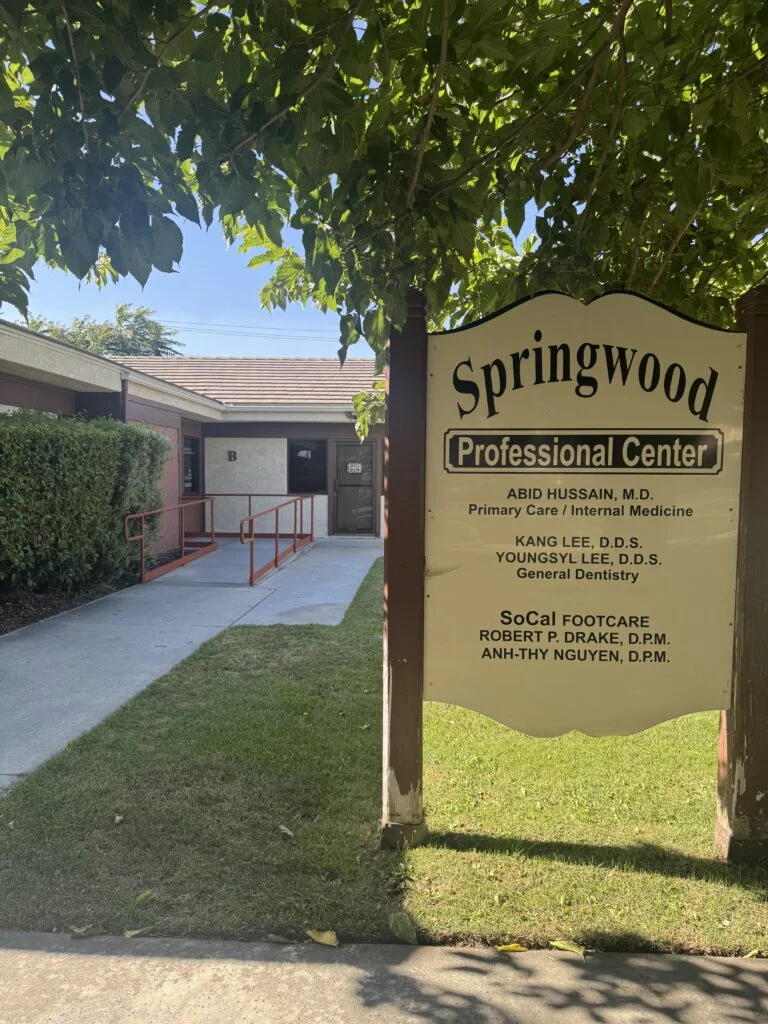



Don’t let another gout attack keep you off your feet, we’re here to help.
Book an appointment today and we’ll get you back to comfortable movement.