
Diabetic Foot Care That Protects You
Comprehensive foot care for people with diabetes, focused on preventing wounds, neuropathy pain, and amputation.
What You Need To Know
How diabetes affects your feet and why regular podiatric care matters.
Understanding Diabetic Foot Care
Diabetes is a chronic disease causing high blood glucose (sugar) levels. Diabetes also weakens your immune system, making it more difficult for your body to fight off infections, which can in turn damage your nervous system. This damage can affect the ability to feel sensations in your feet.
Foot problems are often a common result of having diabetes. As time goes by, it is likely that diabetes can cause nerve damage, also known as diabetic neuropathy. This can lead to tingling or a painful sensation, and it may also cause you to lose feeling in your feet. The loss of feeling can become dangerous, especially if you can no longer sense a blister or cut on your foot, which can lead to sores or infections.
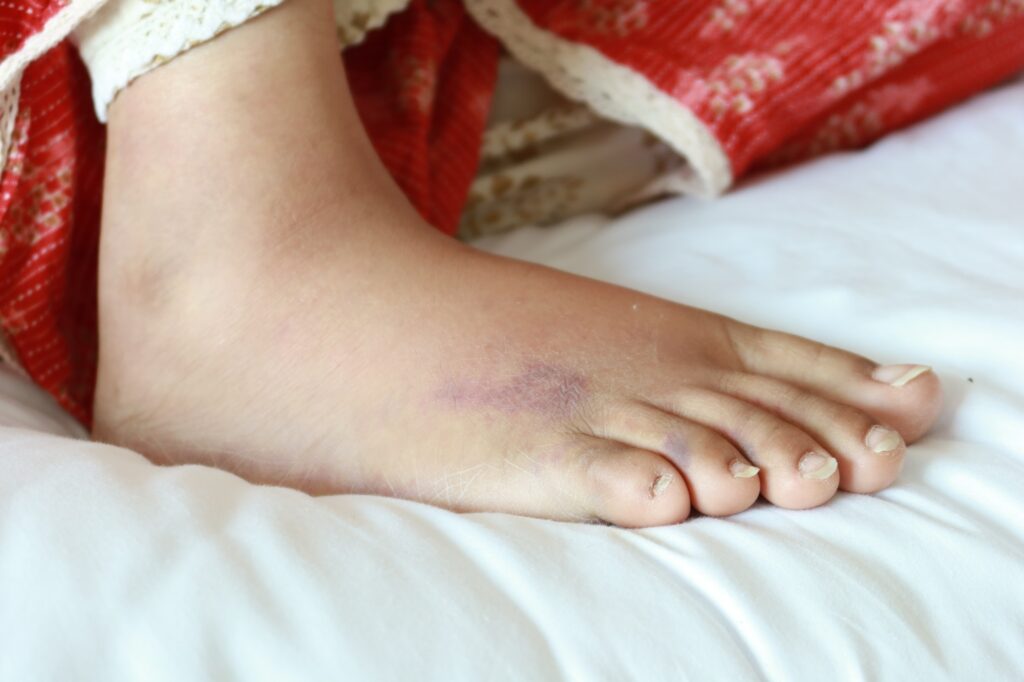
Diabetes warning signs often appear in the feet and can include swelling, numbness, leg pain, skin color changes, slow-healing sores, fungal toenails, and calluses or corns that bleed. Poorly fitting shoes are the number one cause of foot injury for people with diabetes, and poorly managed blood sugar increases your risk of nerve damage.
Sometimes, those with diabetes do not notice sores or injuries to their feet until it is too late. Early recognition of problems such as an ulcer, along with regular foot screenings by a podiatrist, can help reduce the risk of lower limb amputation by up to 85%. If you notice any changes in your feet, call our office to get evaluated so we can protect your foot health before small problems become serious.
Daily Foot Care Tips for Diabetics
Foot care may be an area of extra concern for diabetics, but with vigilant care at home and at the podiatrist office, diabetics can maintain the health of their feet. The most important step is keeping your blood glucose levels in control, as good blood sugar management protects your nerves and circulation.
Check your feet daily. Look for anything unusual, including the bottoms of your feet, and call your foot doctor if you notice cuts, sores, blisters, ingrown toenails, or plantar warts. Wash your feet every day in warm, soapy water and dry them thoroughly, especially between the toes. Moisturize with a rich lotion or cream to keep skin supple, but avoid applying moisturizer between the toes.
When trimming your toenails, cut them straight across to avoid ingrown nails, and never try to treat corns or calluses yourself with over-the-counter chemicals or by cutting them. Change your shoes and socks daily, and consider wearing socks made for those with diabetes, which have loose tops, extra cushioning, and moisture-wicking fiber. Avoid going barefoot, avoid tight socks or garters that restrict circulation, and do not smoke.
For those at higher risk, proper footwear is essential. Our office provides current diabetic shoes and insoles, often covered by insurance, to help prevent ulcerations and sores. If you notice a cut, blister, or bruise that is not healing, or you see redness, swelling, or an odor, contact us right away so we can begin treatment promptly.
Related Services
Diabetic Foot Care Near You
Find a SoCal Foot Care location offering diabetic foot care close to home.










Don’t wait to protect your feet from diabetic complications
We’re here to help you stay ahead of foot problems. Schedule your visit today.