
Skin and Nail Concerns Treatment
Relief for fungal nails, athlete’s foot, warts, ingrown toenails, and other common skin and nail conditions.
What You Need To Know
A closer look at the skin and nail conditions we treat and how we help.
Common Skin and Nail Conditions
The feet are especially vulnerable to skin and nail issues. They spend most of the day inside warm, moist shoes and socks, and they come into contact with microbes on floors, in locker rooms, at pools, and in nail salons. Because of this, conditions like athlete’s foot, fungal toenails, plantar warts, and ingrown toenails are very common.
Athlete’s foot is a highly contagious fungal infection that often appears between the toes and can cause itching, burning, peeling, scaling, redness, or blisters. Fungal toenails, or onychomycosis, develop slowly and cause white or yellowish discoloration, thickening, and flaking of the nail. If ignored, thick nails can make trimming difficult and walking painful. Plantar warts, caused by the human papillomavirus, appear as hard bumps on the soles or toes, sometimes with small black dots that are actually blood vessels.
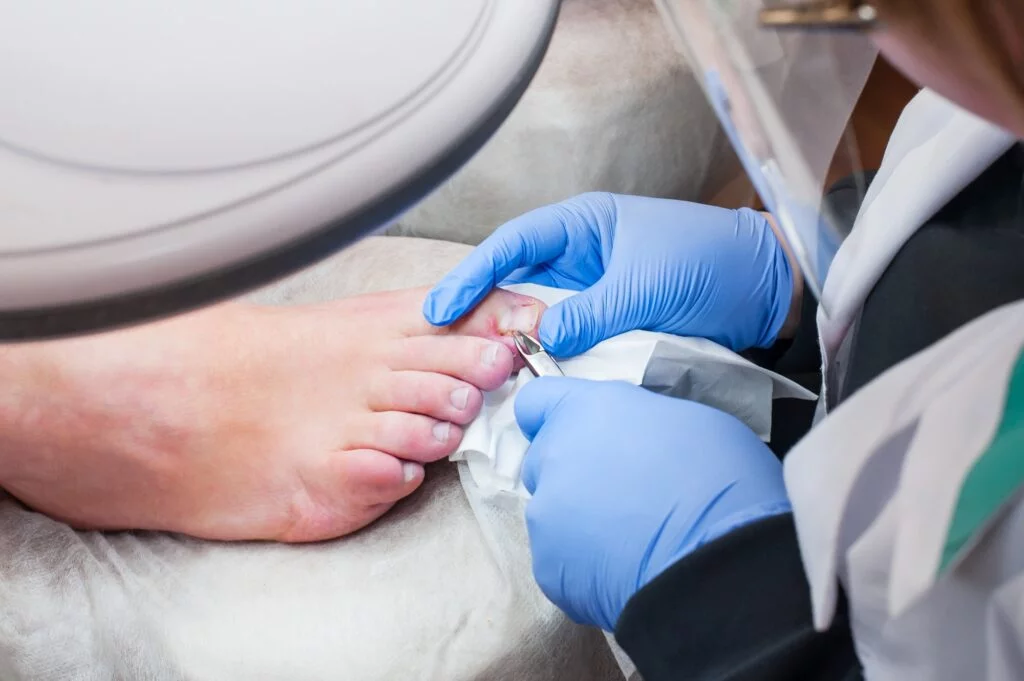
Ingrown toenails happen when a corner of the nail grows into the flesh of the toe, causing redness, swelling, pain, and often infection. They can result from improper trimming, shoe pressure, trauma, or genetics. Other common concerns include blisters from friction, foot odor (bromodosis), sweaty feet, and various skin infections, rashes, and soft tissue lumps.
Some symptoms respond to good foot hygiene and over-the-counter care, but many do not. If your rash keeps spreading, symptoms last more than two weeks, an ingrown toenail becomes infected, or you have diabetes or circulation problems, it’s time to see a podiatrist. We’ll evaluate the condition, confirm the diagnosis, and start you on the right treatment.
Prevention, Skin Cancer, and When to Worry
Good daily foot care prevents many of the most common skin and nail problems. Wash your feet every day with soap and water, dry carefully between the toes, and keep toenails trimmed straight across. Wear clean, moisture-wicking socks, alternate your shoes so they can dry for 24 hours between wearings, and wear flip-flops or shower shoes in locker rooms, pools, and public showers. Antifungal powders or sprays can help control moisture and reduce infection risk.
Skin cancer can also appear on the feet and ankles, including the soles, and some types are unrelated to sun exposure. Basal cell carcinoma, squamous cell carcinoma, and melanoma can all develop on the foot. To spot a possible melanoma, follow the ABCDs: Asymmetry, Borders that are ragged, unusual Colors, and a Diameter wider than a pencil eraser. Examine your feet regularly, including the bottoms and between the toes, and use sunscreen on exposed feet outdoors.
Soft tissue lumps on the feet and legs are common and often harmless, but they should still be checked. See a podiatrist if a lump enlarges quickly, is red or inflamed, oozes, causes fever or pain, or has not gone away after a month. Early evaluation rules out infection or malignancy and prevents complications.
Toenails can also reveal underlying health issues. Pitting and thickening may point to psoriasis, while spoon-shaped nails can suggest iron deficiency. If you notice discoloration, texture changes, or any suspicious spot, schedule an appointment so we can take a closer look and start the right treatment.
Related Services
Convenient Locations Near You
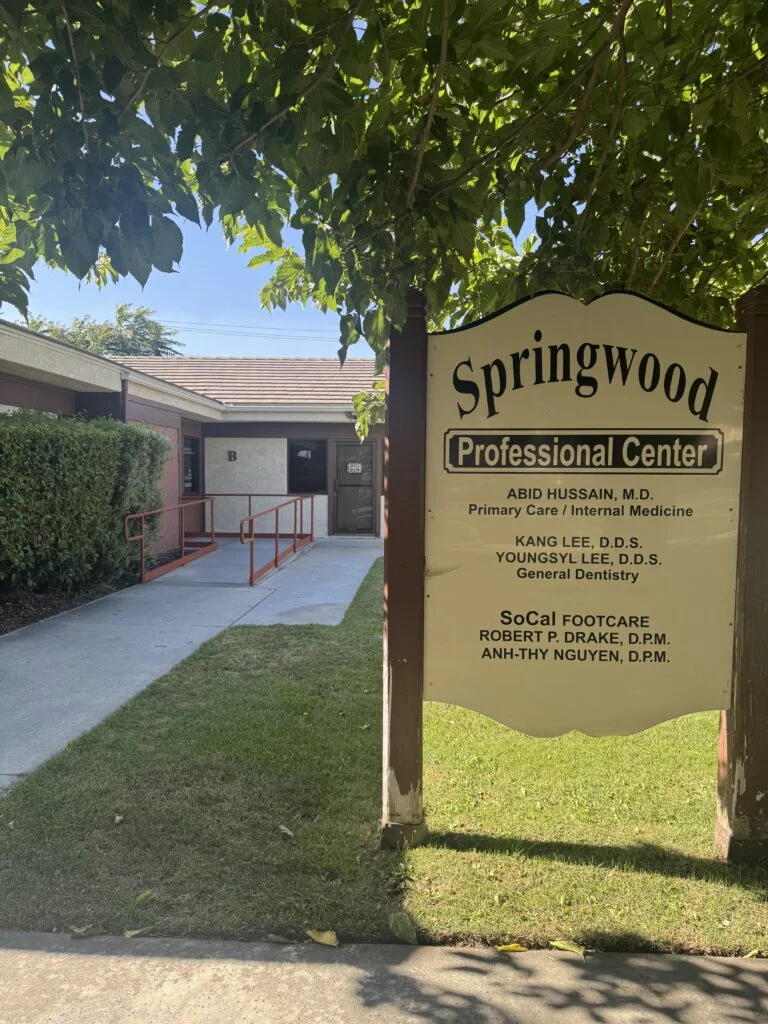
Visit one of our SoCal Foot Care offices for skin and nail treatment close to home.









Don’t let a skin or nail problem slow you down any longer.
We’ll get you comfortable and back on your feet. Book your visit today.