
Peripheral Arterial Disease Care
Restore healthy circulation to your legs and feet with expert diagnosis and treatment for PAD at SoCal Foot Care.
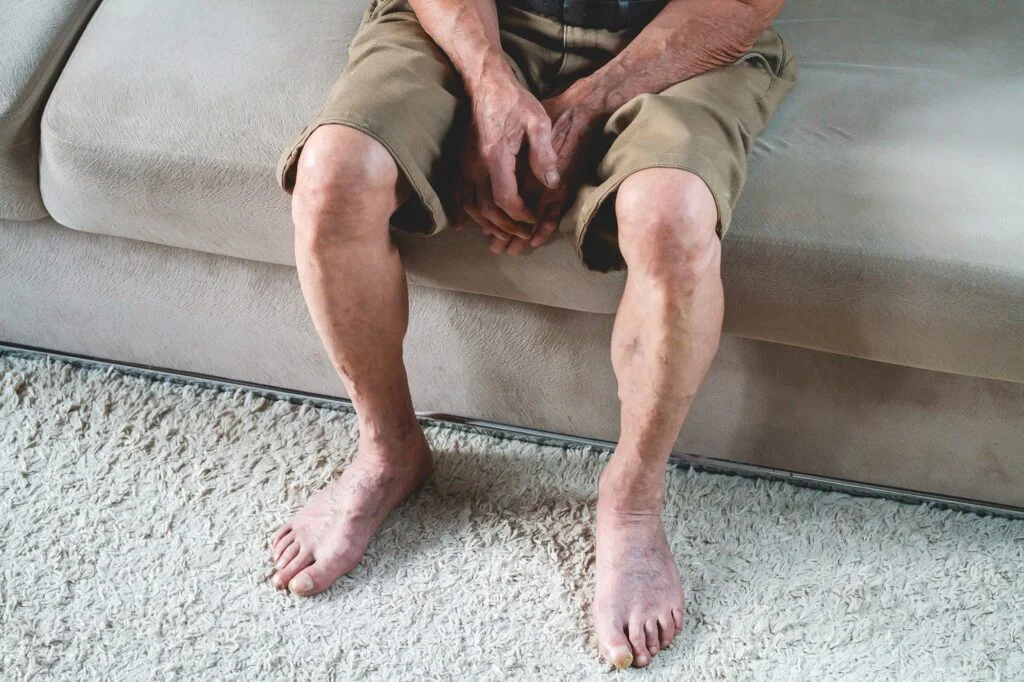
What You Need To Know About PAD
Understanding peripheral arterial disease and why early treatment matters.
Peripheral Arterial Disease (PAD)
Peripheral arterial disease, also known as PAD, is a circulation problem where the blood flow to your extremities is restricted. PAD is caused by narrowing of the arteries that deliver blood to your arms and legs. Fatty deposits accumulate causing atherosclerosis and reducing this blood flow. PAD affects 8 to 12 million Americans and one in every five adults over the age of 70.
Some people have no symptoms of PAD, but many suffer from leg pain especially when walking. The pain or cramping starts with activity but usually eases after resting. When the leg pain, or claudication, is severe, it can be hard to walk, work, or do other types of activities. Other symptoms can include leg weakness or numbness, foot or leg coldness, changes in skin color, sores on your feet, toes, or legs that will not heal, and hair loss on the feet and legs.
The primary cause of PAD is atherosclerosis, the buildup of cholesterol and fatty deposits along the walls of your blood vessels. Clots may form on the artery walls, further decreasing the inner size of the vessel and potentially blocking off major arteries. Other causes may include trauma to the legs, irregular anatomy of muscles or ligaments, or infection. People with coronary artery disease are frequently found to also have peripheral vascular disease.
If you have leg pain or weakness, visit your foot doctor right away. PAD can cause complications such as heart attack, stroke, and critical limb ischemia that can lead to gangrene and amputation. Our providers will evaluate your symptoms and start you on the right treatment plan.
Diagnosis and Treatment of PAD
A podiatrist is the right doctor to help identify PAD because of how much it impacts your feet, ankles, and lower legs. Your doctor will begin by doing a visual and hands-on exam of your lower extremities and reviewing your medical history. During the exam, your podiatrist will evaluate your pulse, skin condition, and look for any foot or lower limb deformities.
To confirm a diagnosis, we may use several tests. The Ankle-Brachial Index (ABI) compares the blood pressure in your arm with the blood pressure in your ankle. A Doppler ultrasound is used to assess blood flow and check for blockages such as clots or plaques. Angiography uses X-ray or MRI imaging with a contrast dye to study the blood vessels in your legs, ankles, and feet. This testing does not hurt and typically takes about 15 minutes.
The goals of PAD treatment are to manage pain and stop atherosclerosis from progressing. Lifestyle changes may accomplish both goals, with the most important change being to quit smoking. Regular exercise, maintaining a healthy weight, controlling blood sugar, and eating foods low in saturated fats can also help prevent painful claudication.
Your doctor may prescribe medications to lower blood pressure and cholesterol, control pain, and prevent blood clots. In severe cases, a patient may be referred to a specialist who performs vascular procedures of the lower extremities. Early diagnosis and treatment can help prevent future issues like ulceration, gangrene, and amputation, so schedule your evaluation with our providers today.
SoCal Foot Care Locations
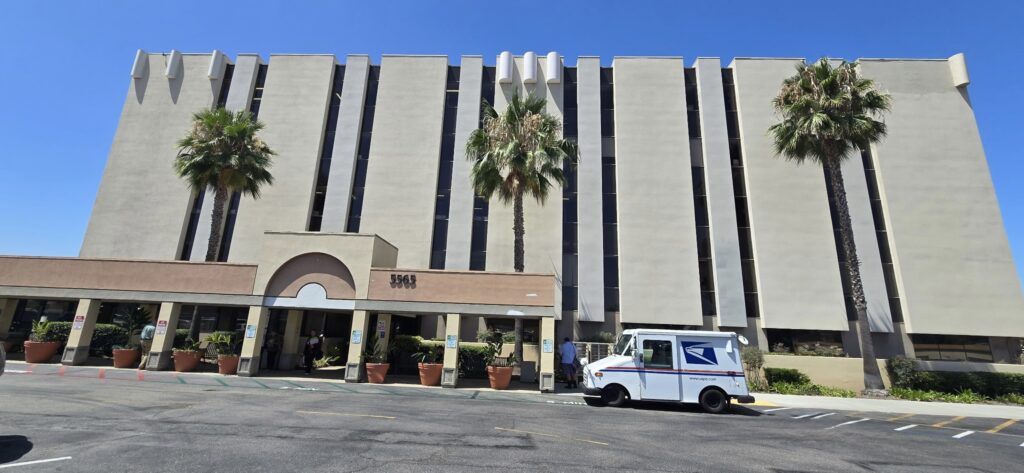
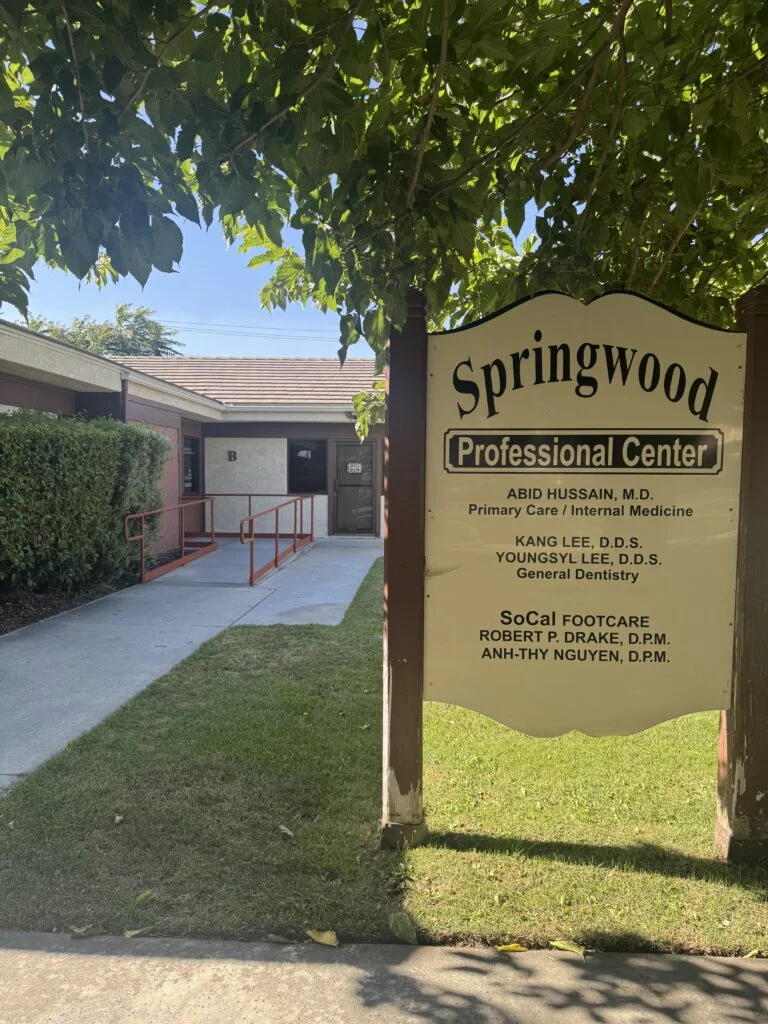
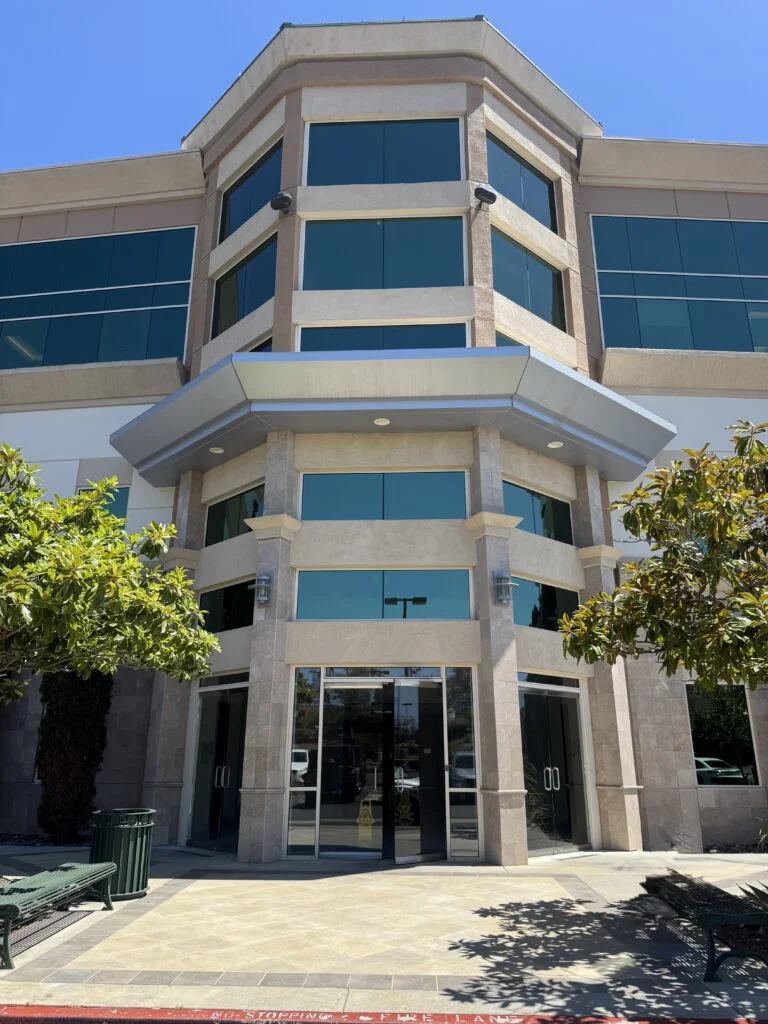
Find a SoCal Foot Care office near you for expert PAD evaluation and treatment.

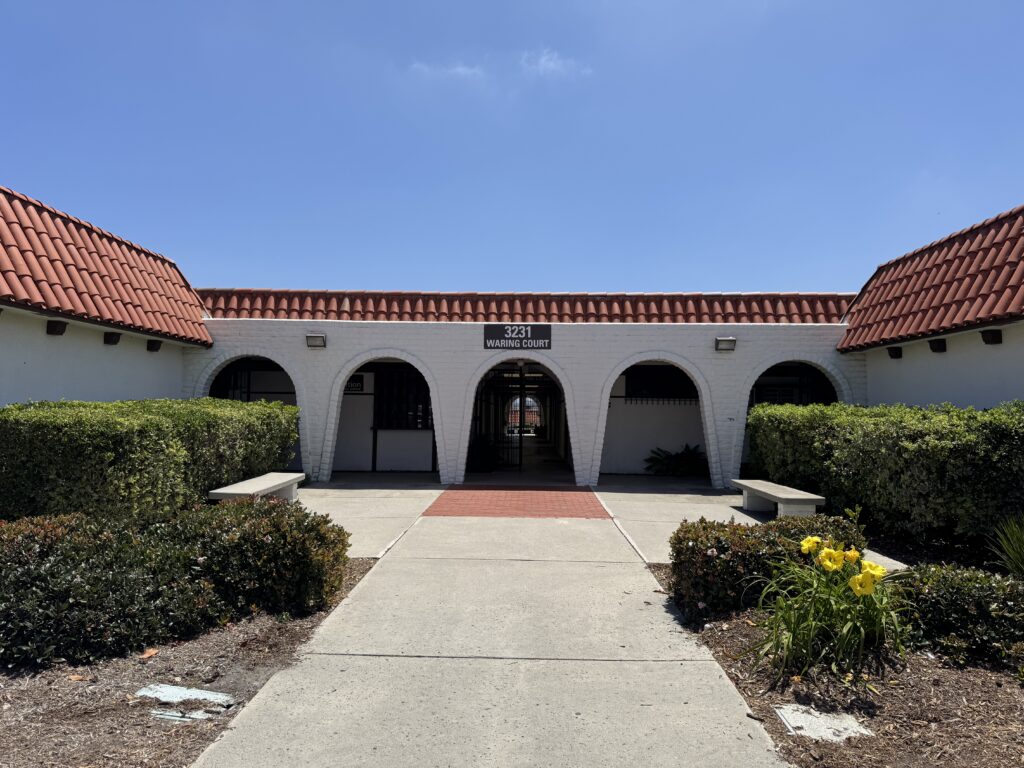
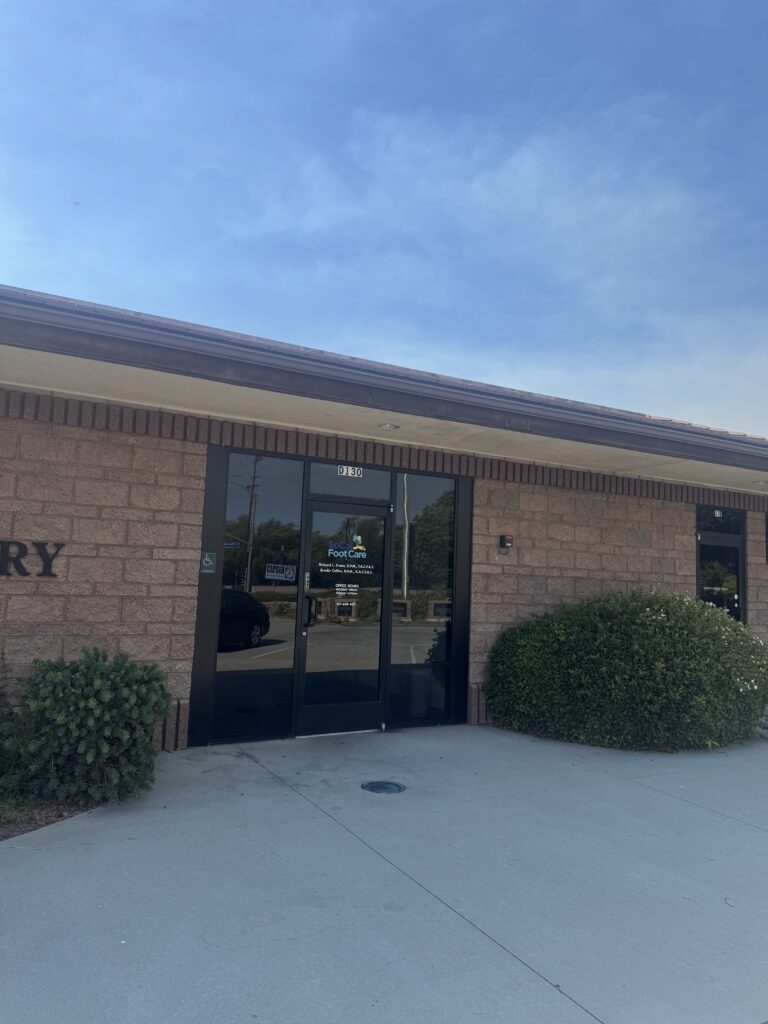
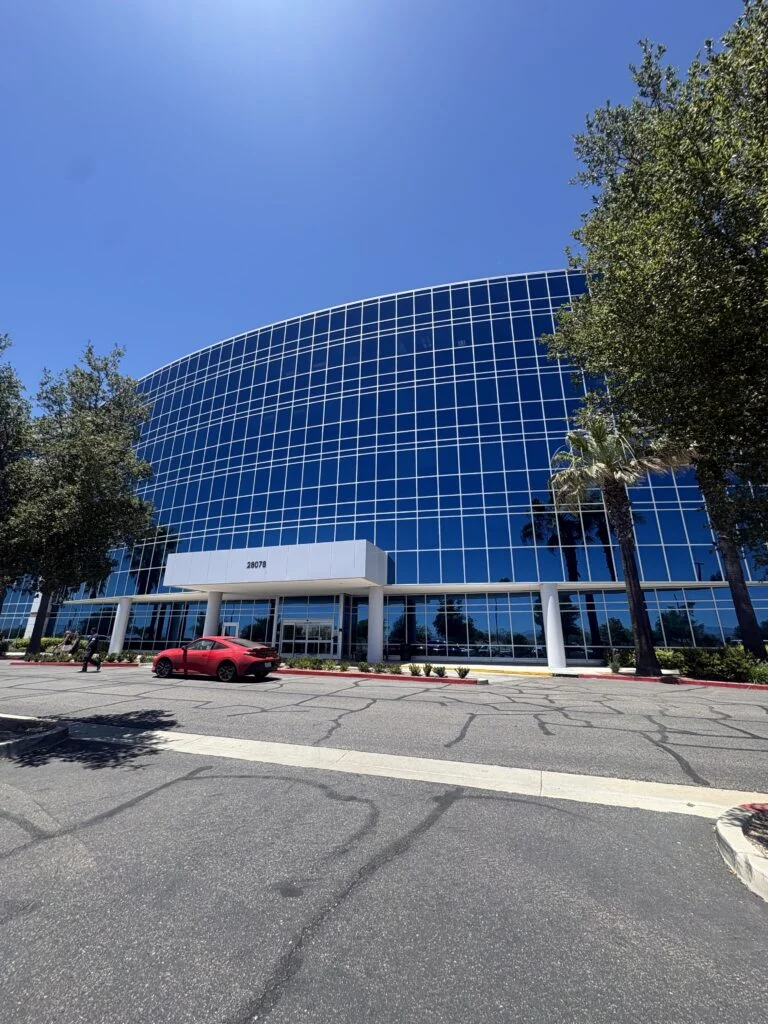


Don’t wait to address leg pain or poor circulation, we’re here to help protect your feet.
Schedule your PAD evaluation today and let’s get your circulation back on track.