
Plantar Fasciitis and Heel Pain Relief
Targeted care for heel pain and plantar fasciitis, helping you get back on your feet with less pain and more comfort.
What You Need To Know
Understanding plantar fasciitis, heel pain, and how we help you find lasting relief.
Understanding Plantar Fasciitis and Heel Pain
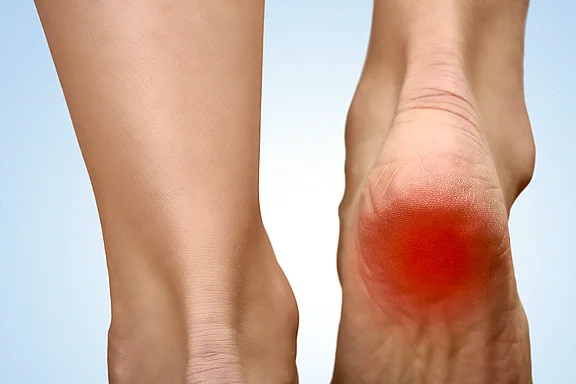
Plantar fasciitis is one of the most common causes of heel pain. The plantar fascia is a band of tight, dense connective tissue that runs along the bottom of the foot from the heel bone to the toes and helps form the foot’s arch. With overuse such as running or standing for long periods on hard surfaces, or from wearing shoes with little support, tiny tears can develop in this tissue, causing inflammation and heel pain.
With plantar fasciitis, the bottom of your foot may hurt when you stand, especially first thing in the morning. Pain usually occurs on the inside of the foot, near the spot where your heel and arch meet. Common symptoms include sharp, burning, or throbbing heel pain, aching in the arches, and increased pain after long periods of standing or once you stand up after sitting. The pain may ease during the day but returns after rest.
Plantar fasciitis is often caused by poor foot mechanics. If your foot flattens too much, the fascia may overstretch and swell. If it flattens too little, it may ache from being pulled too tight. Other causes include poor arch support, obesity or sudden weight gain, weak foot and ankle muscles, tight calf muscles, and arthritis. A heel spur, a bony protrusion caused by calcium deposits, may also form where the plantar fascia attaches to the heel bone.
Because plantar fasciitis worsens over time, we recommend meeting with a podiatrist as soon as possible. Our offices are equipped with digital X-rays and diagnostic ultrasound to help us pinpoint the source of your pain so treatment can begin.
Treatment Options and Prevention
Many types of heel pain improve with non-surgical treatments. Once plantar fasciitis has been identified, conservative care may include stretching exercises or physical therapy, modifying activities, changing footwear, icing the heel, anti-inflammatory medication, padding or taping the foot, wearing an orthotic device, using a night splint, or corticosteroid injections. Reducing your symptoms is our first goal, followed by correcting the cause.
Orthotics are among the most effective options. Whether over-the-counter or custom-made from casts of your feet, these inserts provide proper foot, heel, and ankle alignment, control pronation, and support the ligaments and tendons to relieve heel pain. Night splints passively stretch the calf, Achilles tendon, and arch during sleep so there is less tension with your first steps in the morning. Supportive shoes that bend near the toes, have a solid heel counter, and resist twisting also help.
For persistent cases, we offer advanced options including radial pulse therapy, K-Laser, RST SANEXAS therapy, ultrasound-guided injections, shockwave therapy treatment, and customized orthotic therapy. Surgery is rarely needed, but when other treatments do not control the pain, a procedure to release the plantar fascia or remove a bone spur may be considered.
Prevention matters too. Maintaining a healthy weight, choosing sturdy shoes, avoiding high heels, stretching your calves, and favoring low-impact exercises like biking and swimming all help. With early diagnosis and a consistent plan, most patients recover well and return to the activities they enjoy.
Locations Offering Heel Pain Care
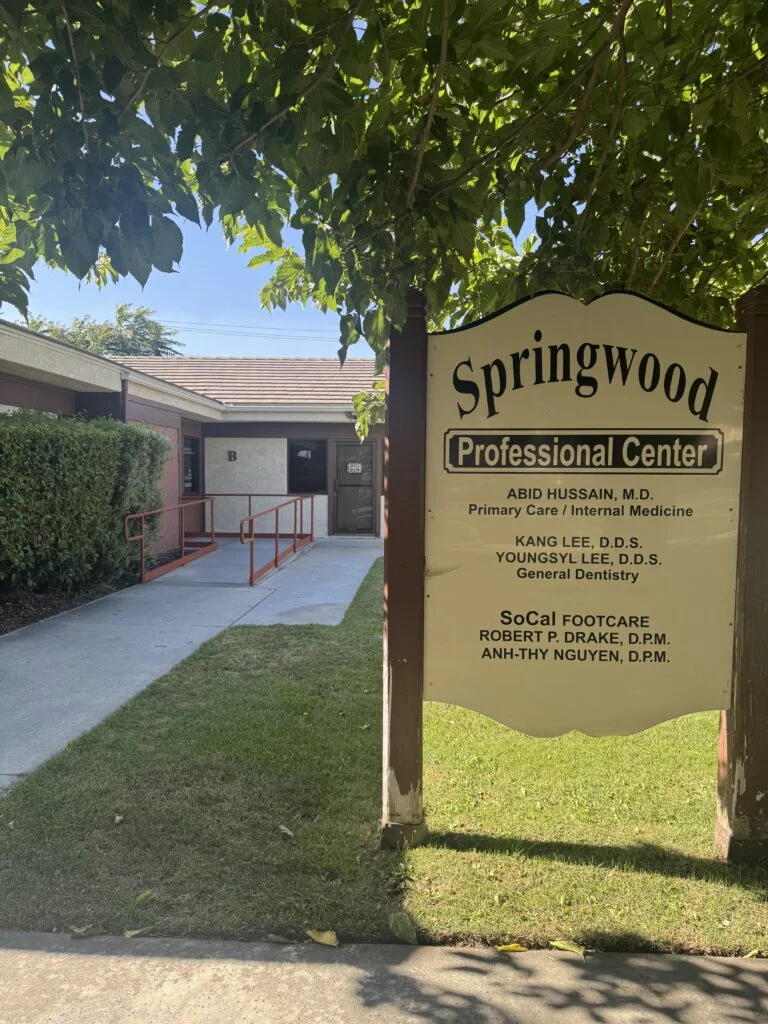
Find a SoCal Foot Care office near you for convenient heel pain and plantar fasciitis treatment.









Don’t let heel pain slow you down any longer, let’s get you back on your feet today.
We’re here to help you find lasting relief with a plan that’s right for you.