
Charcot Foot Care for Diabetic Patients
Early diagnosis and treatment of Charcot foot can prevent deformity, ulcers, and the risk of amputation.

What You Need to Know
Understanding Charcot foot is the first step toward protecting your feet.
Understanding Charcot Foot
Charcot foot is a rare but serious complication that impacts the bones, joints, and soft tissue in your foot or ankle. It typically results from nerve damage due to diabetes or nerve injuries. Those with diabetes mellitus are particularly prone to the condition.
Charcot foot begins with peripheral neuropathy, a disease of the nerves in the feet. Because your nerves do not function well, you may not sense pain when you injure your foot. You may break bones or damage joints without knowing it. If you keep walking on your injured foot, fractures can heal unevenly, causing foot deformity. The bones become weak and can break, and the joints in the foot or ankle can dislocate. If not caught in early stages, the joints can collapse and the foot eventually becomes deformed. When the midfoot is impacted, the arch collapses and the bottom of the foot rounds, called a rocker-bottom foot deformity.
Symptoms of Charcot foot include a red appearance of the foot or ankle, swelling, increased warmth compared to the other foot, a foot that feels warm to the touch, and soreness. Diabetics are most at risk, especially those who have had diabetes for several years. Other risk factors include smoking, regular alcohol use, high blood pressure, high cholesterol, kidney disease, and being overweight.
Early diagnosis is crucial to prevent joints from collapsing and deforming the foot. If you notice any symptoms of Charcot foot, contact your board-certified podiatrist right away for an evaluation.
Treatment, Prevention, and Follow-Up
Early diagnosis and treatment can prevent or lessen potential damage or the need for limb salvage. The only way to stop the progress of Charcot foot is to stay off the foot long enough for it to heal. Decreasing pressure to your feet protects the weakened bones from further damage. Your doctor may have you wear a cast, boot, or brace, and you may need a knee scooter or crutches. Custom orthotics and bracing can help the bones heal and prevent recurrence.
Once your foot has healed, you may be fitted for custom shoes or inserts. Custom footwear is specially made to fit the shape of your foot, which can help prevent ulcers caused by rubbing from store-bought shoes. If custom footwear cannot stop ulcers from forming, surgery may be needed to correct the deformity. Your physician may consider limb salvage surgery to prevent amputation.
Prevention starts with everyday habits. Manage your blood sugar levels to slow potential nerve damage. Wear shoes and socks, even when you are indoors. Stop any activity causing foot or ankle pain. Maintain blood flow by wiggling your toes and elevating your feet. See your podiatrist at least once per year if you have neuropathy or diabetes.
Check your feet daily for changes. Look at the top and bottom of your feet, your heels, and between your toes. Call your doctor if you notice wounds, increased heat, redness, or swelling so treatment can begin as early as possible.
Locations Offering Charcot Foot Care
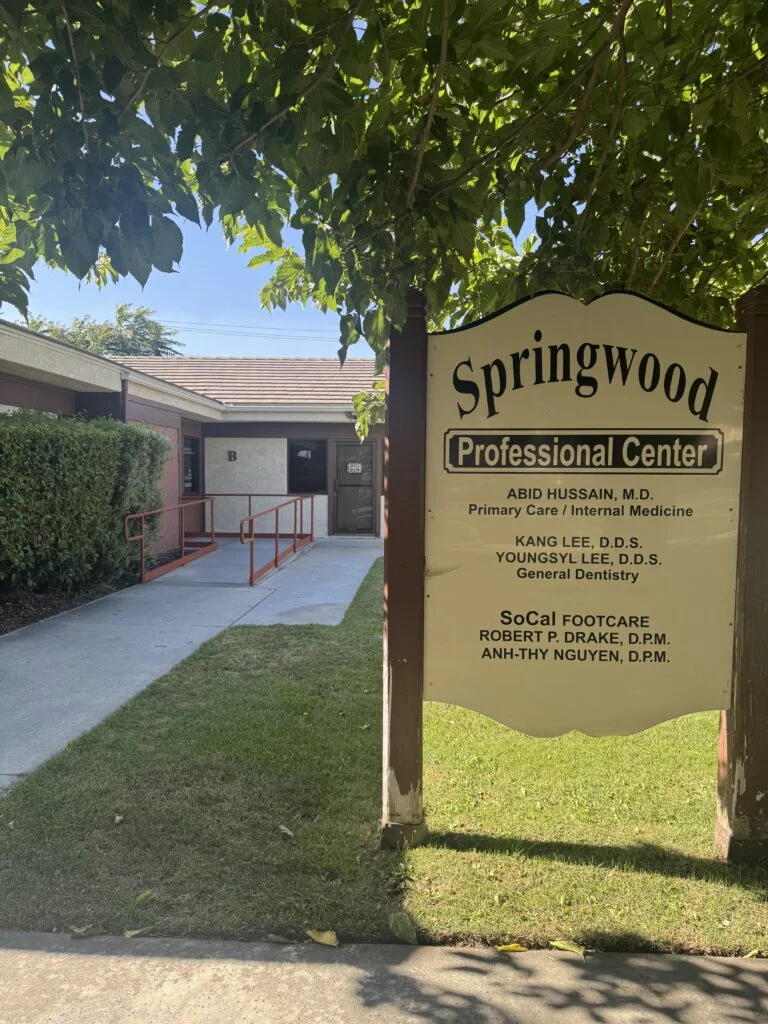
Find a SoCal Foot Care location near you for diabetic foot and Charcot care.









Don’t wait to have Charcot foot symptoms checked by a specialist.
Early care protects your feet. We’re here to help you stay on them.