
Pathology Lab Processing for Foot Care
On-site pathology testing helps our podiatrists diagnose foot and ankle conditions quickly and accurately.
What You Need To Know
How pathology lab processing supports accurate diagnosis and treatment of foot conditions.
Understanding Pathology Lab Processing
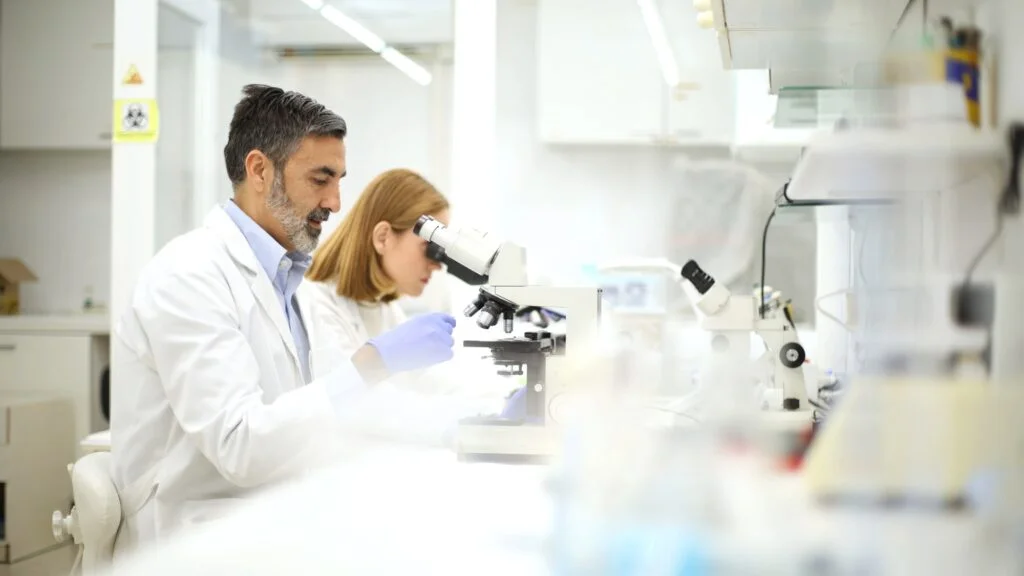
SoCal Foot Care offers the convenience of a pathology lab, which allows for testing of body tissues (samples from biopsies) and fluids (blood). Typical services and tests include needle aspirations, fungal cultures, and bacterial cultures. Having these capabilities available means your provider can gather the information needed to make an accurate diagnosis without delays associated with off-site testing.
Pathology lab test results determine the cause and nature of diseases and help our doctors diagnose and treat our patients correctly. When a foot or ankle problem does not have an obvious cause, laboratory analysis of a tissue or fluid sample can identify infections, inflammatory conditions, or other underlying issues that a physical exam alone cannot confirm.
Common reasons a podiatrist may order lab testing include suspected fungal infections of the skin or nails, persistent bacterial infections, unexplained skin lesions, joint swelling that may need fluid analysis, or wounds that are not healing as expected. A small sample is collected during your visit and sent to the pathology lab for processing.
Results of tests performed in the pathology lab aid our physicians in diagnosing and treating patients. Once results are available, your provider will review the findings with you and recommend a treatment plan based on what the testing reveals. If you have a foot or ankle concern that may benefit from lab evaluation, schedule an appointment with SoCal Foot Care to get started.
What to Expect During Sample Collection
Sample collection for pathology testing is typically performed during a routine office visit and does not require any special preparation on your part. Depending on what your provider needs to evaluate, the sample may be a small piece of skin or nail, a swab of an affected area, a fluid sample drawn from a joint or cyst through needle aspiration, or a blood draw.
Most collection procedures are brief and cause only minor discomfort. For skin biopsies or needle aspirations, a local anesthetic is often used to numb the area first. Your provider will explain each step before it happens so you know what to expect during the appointment.
After the sample is collected, it is labeled and sent to the pathology lab for processing. Turnaround time varies depending on the type of test being performed. Some cultures take several days to grow and be identified, while other analyses may be available sooner. Your care team will let you know when to expect results and how you will be contacted.
Once the pathology report is available, your provider will review the findings and discuss next steps with you. In many cases, the results will guide targeted treatment, such as prescribing the right antifungal or antibiotic medication rather than a general one. This kind of precise, evidence-based care is the reason lab testing plays such a valuable role in foot and ankle medicine.
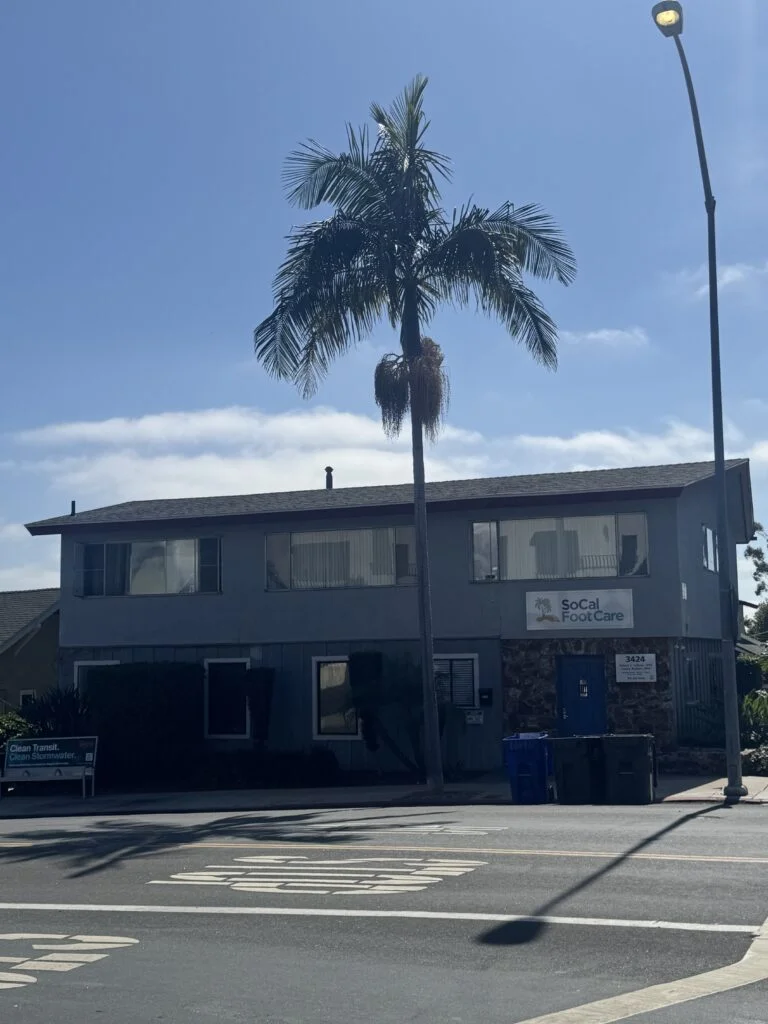
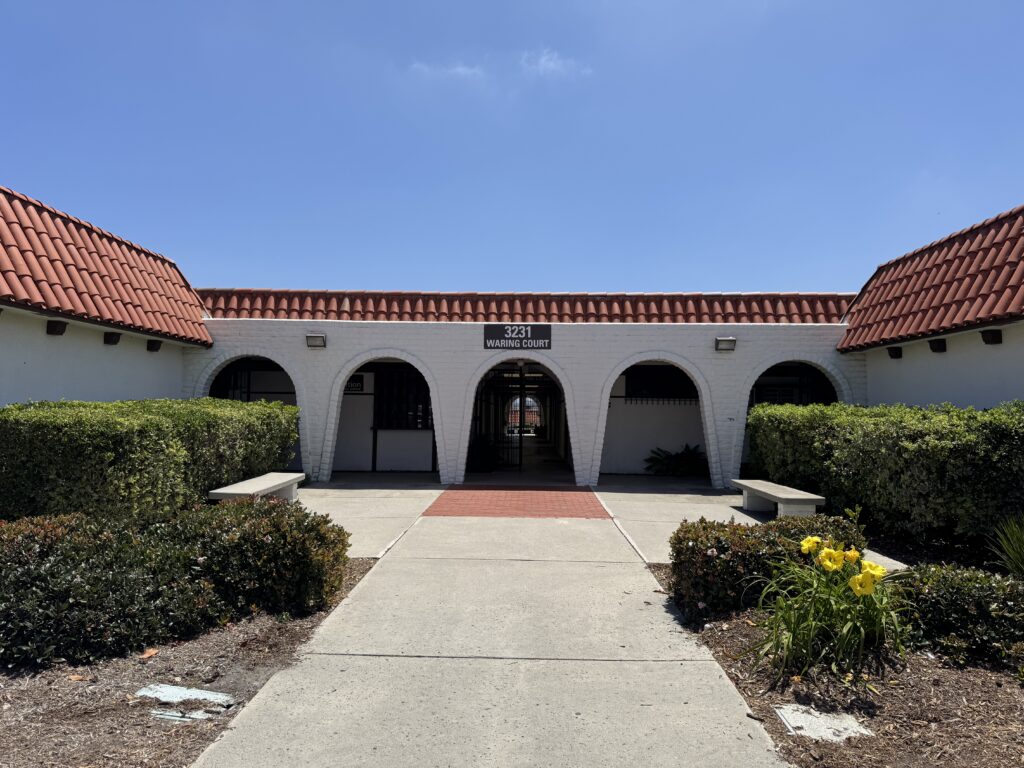
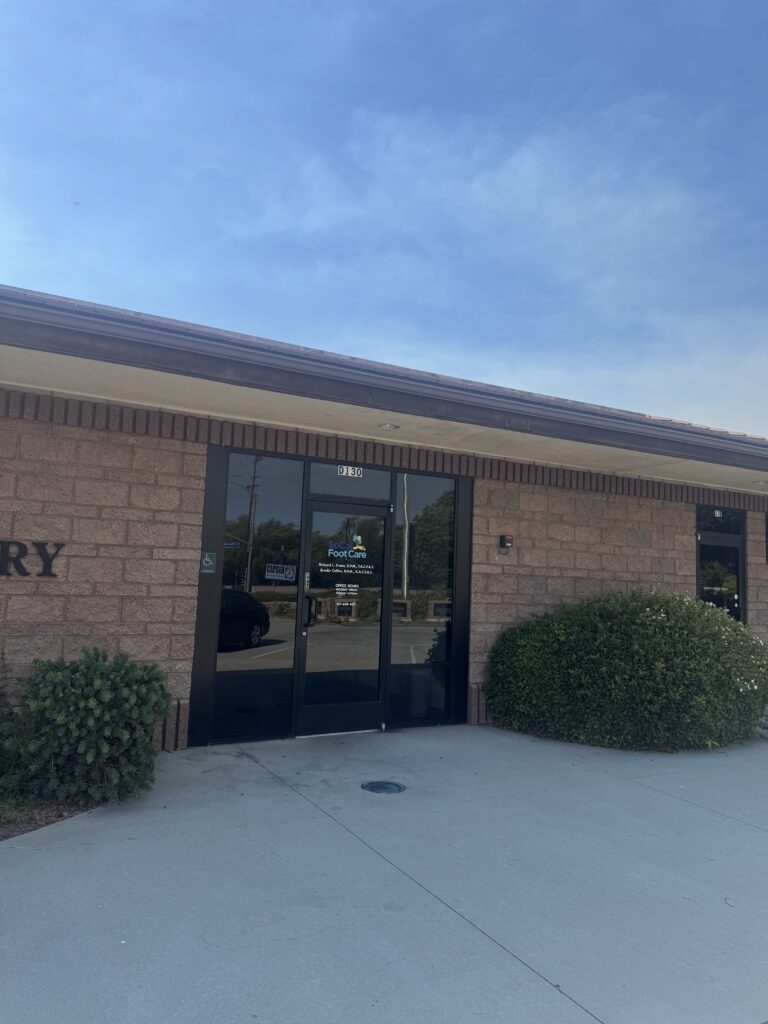
Locations Offering Pathology Lab Services
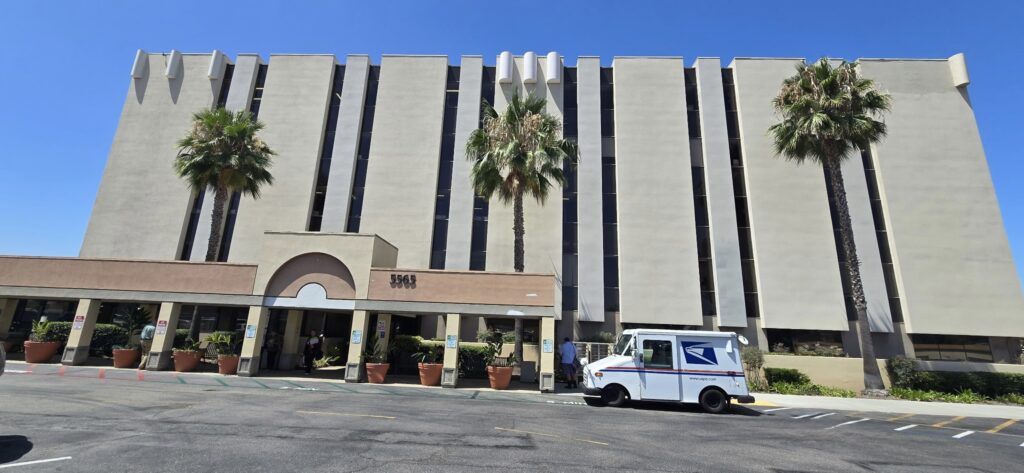
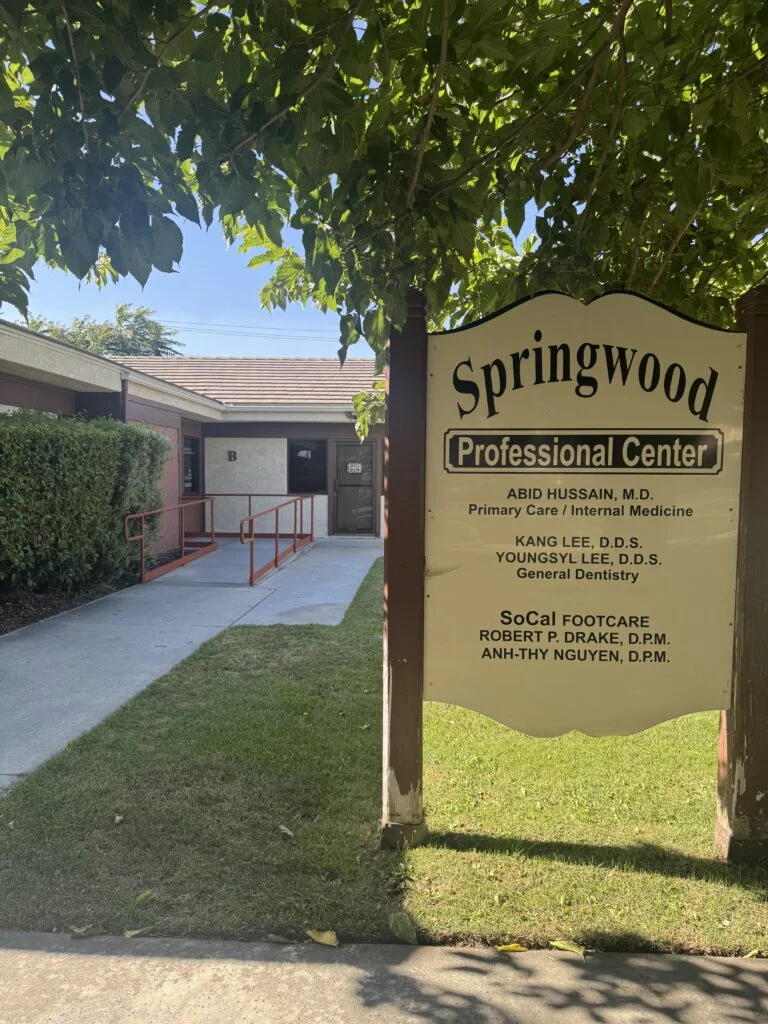
Find a SoCal Foot Care location near you for convenient in-office diagnostic testing.





Have a foot concern that needs answers? Let’s get you scheduled today.
Our team is here to help you get an accurate diagnosis and a clear plan forward.