
Preventive Foot Screenings for You
Routine foot screenings catch small problems early, protecting your comfort, mobility, and long-term foot health.

What You Need To Know
A quick guide to what preventive foot screenings involve and why they matter.
Preventive Screenings for Foot Health
Preventive foot screenings are routine evaluations designed to identify problems in the feet and ankles before they cause pain, disability, or serious complications. A screening visit gives your podiatrist a baseline of how your feet look, feel, and function, and it creates an opportunity to catch small issues while they are still easy to treat.
A typical screening may include a visual inspection of the skin and nails, an assessment of foot structure and gait, nerve and neurological sensory testing to check for loss of protective sensation, and vascular or circulation testing to evaluate blood flow to the feet. When a closer look is needed, diagnostic imaging such as ultrasound or MRI may be recommended to evaluate soft tissue or joint concerns.
Screenings are especially important for people who have diabetes, peripheral neuropathy, circulation problems, arthritis, a history of foot ulcers or wounds, or a family history of foot deformities. Adults who spend long hours on their feet, athletes, and older adults at higher risk of falls also benefit from regular checkups.
You should schedule a screening if you notice numbness, tingling, burning, changes in skin color or temperature, slow-healing sores, thickened nails, persistent calluses, or new pain during walking. Even without symptoms, an annual foot exam is a smart part of general health care.
At SoCal Foot Care, our providers use screening results to build a plan tailored to your needs, whether that means monitoring, footwear guidance, orthotics, or early treatment of a condition identified during the visit.
Protecting Your Feet Between Visits
Preventive care does not end at the clinic door. The habits you build at home have a direct effect on how healthy your feet stay between screenings, and small daily steps can make a meaningful difference over time.
Check your feet every day. Look at the tops, bottoms, and between the toes for cuts, blisters, redness, swelling, or changes in the skin and nails. Use a mirror if needed, or ask a family member to help. Daily checks are especially important for anyone with diabetes or reduced sensation, because injuries can go unnoticed until they become serious.
Keep your feet clean and dry. Wash daily with mild soap, dry thoroughly between the toes, and moisturize the tops and bottoms of the feet to prevent cracking. Trim toenails straight across to reduce the risk of ingrown nails, and avoid cutting cuticles or shaving down calluses on your own.
Wear shoes that fit well and support your activity. Replace worn-out footwear, avoid going barefoot in public areas, and shake out your shoes before putting them on. If you have been prescribed orthotics, braces, or diabetic footwear, use them consistently.
Stay active, manage underlying health conditions such as diabetes and high blood pressure, and keep your regular screening appointments. When you notice anything unusual, contact your podiatrist promptly. Early attention almost always leads to simpler treatment and a faster return to comfortable movement.
Where to Book Your Screening
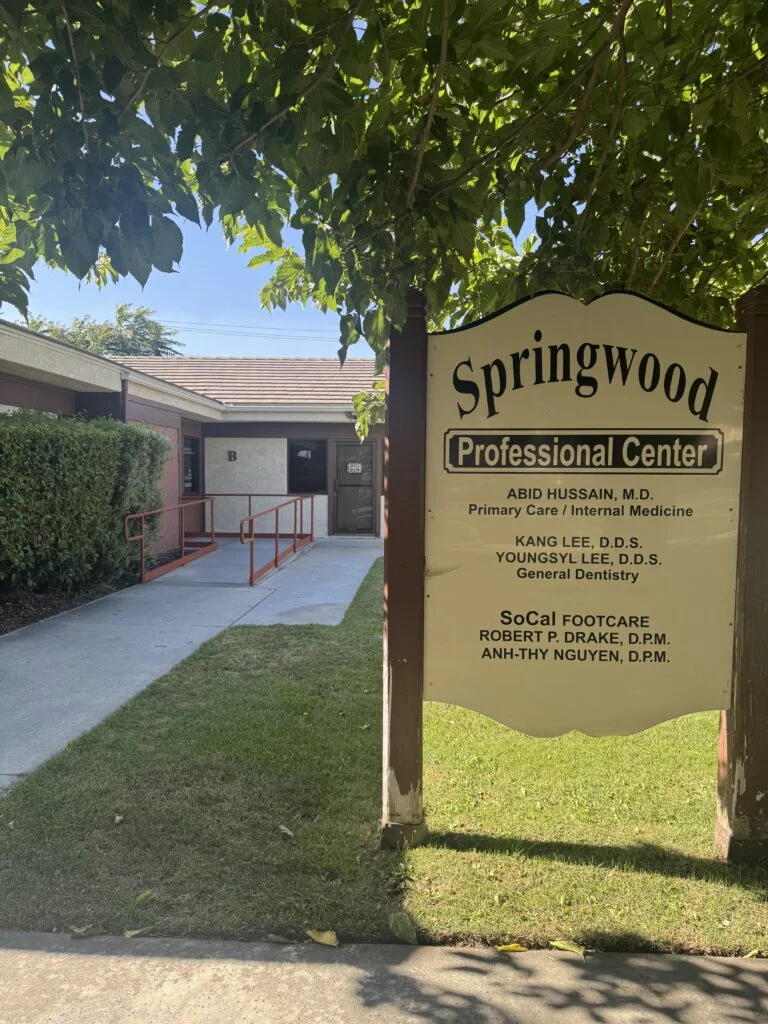
Find a SoCal Foot Care location near you and schedule your preventive foot exam.









Ready to give your feet the checkup they’ve been missing?
We’ll help you catch small issues early so you can keep moving comfortably.