Relief from Corns and Calluses
Thickened skin on your feet can be painful, but with the right care, corns and calluses can be controlled.
What You Need to Know
Understanding corns and calluses, their causes, and how they can be treated.
Understanding Corns and Calluses
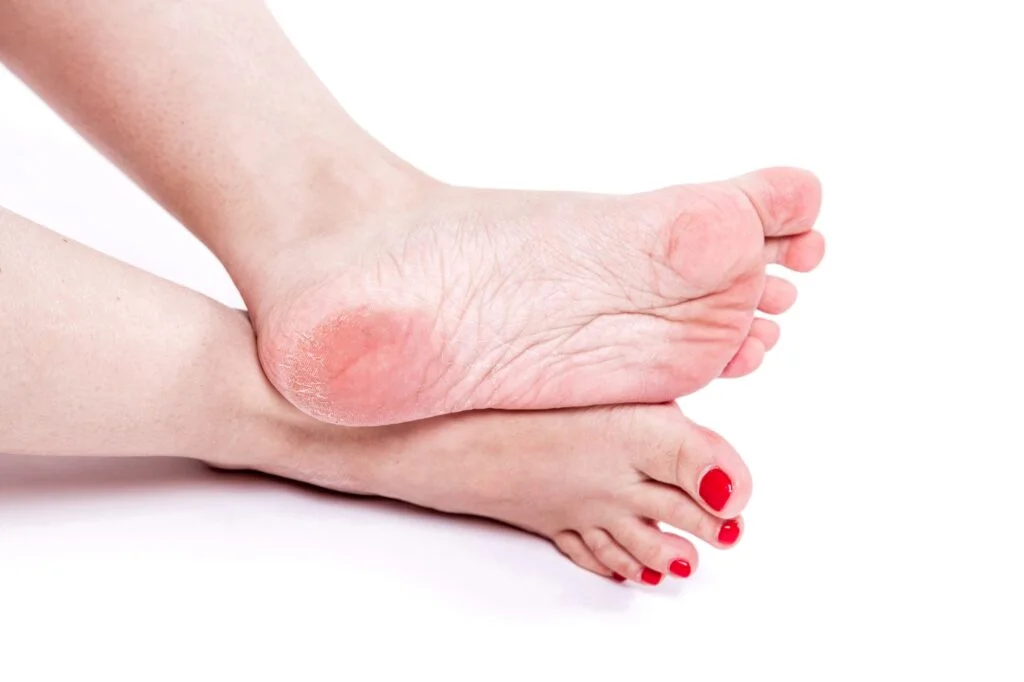
Calluses and corns are skin problems often found on the feet. A callus is a thick, hardened area of skin on the bottom of the foot that protects the skin from too much friction. Calluses are often found on the ball of the foot, the heel, and under the big toe. A corn forms when two toes rub together, causing thicker skin with inflamed tissue underneath. Corns between the toes have soft cores, while those on the top of a toe are hard corns.
Both growths are caused by excess pressure and friction and can result from overuse, an abnormal gait, or wearing shoes that are either too tight or too loose. If your foot rubs inside your shoe, the affected area of skin thickens to protect the foot.
Corns and calluses are easy to spot. Telltale signs include a thick, raised area of skin, a hardened or rough bump, tenderness or pain, and waxy or dry skin. Over time, a corn or callus might also start flaking or shed layers of skin. Walking on a callus can be painful as it grows larger.
Risk factors include tight shoes or socks, foot deformities such as hammertoes or bunions, flatfeet, bone spurs, and pressure caused by an abnormal gait. In many cases, corns and calluses look bad but are not harmful. However, more severe cases may become infected, destroy healthy tissue, or affect foot movement. If a corn or callus becomes inflamed or painful, or if you have diabetes or poor circulation, schedule an appointment with our office for evaluation.
Treatment, Prevention, and Home Care
If your corns or calluses are mild, reducing friction may help. Different shoes, moleskin patches, or soft pads may be all the treatment you need. If you have corns, wearing shoes with more toe room helps keep buckled joints from being pinched against the top of the shoe. If you have calluses, a cushioned insole, arch support, or heel counter can help reduce friction.
Professional podiatric care can ease symptoms and eliminate the skin growth. We can shave the surface of a callus to relieve pressure, and an exfoliant such as a cream with urea can remove dead skin. For a painful corn, medication may be injected beneath the built-up tissue. If your callus or corn is caused by your gait or foot structure, custom-fitted orthotics can greatly ease the friction and pressure.
When a bone or joint is out of place, certain parts of your foot may be under too much pressure. In such cases, surgery is often the best way to correct the problem. In most cases, surgery to improve bone position is an outpatient procedure that may involve shaving excess bone or cutting tendons or ligaments to reduce tension on a joint.
At home, soak feet in warm, soapy water and rub thickened areas with a pumice stone. Apply moisturizing lotion nightly and cover with a loose sock. People with calluses are cautioned against bathroom surgery, as this can lead to cuts and infection. If a corn or callus keeps returning, our team can help identify the underlying cause and build a lasting treatment plan.
Find Corn and Callus Care Near You
Visit one of our convenient SoCal Foot Care locations for expert treatment.




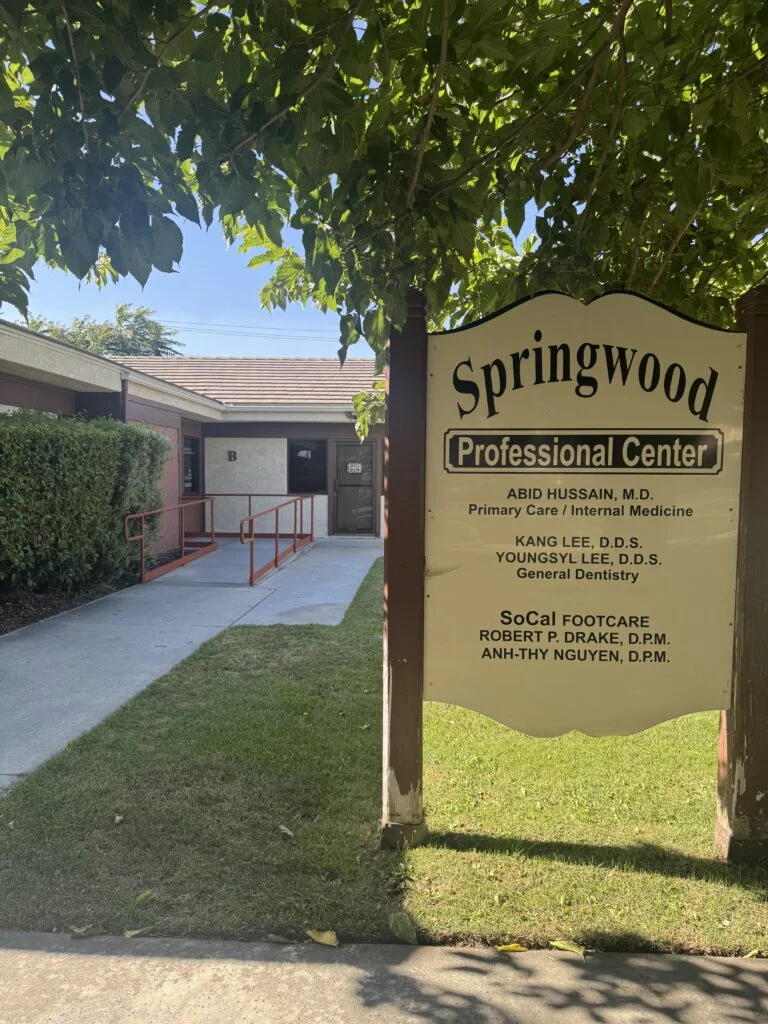



Don’t let painful corns or calluses slow you down any longer.
Our podiatrists are here to help you get back on your feet comfortably.