
Ingrown Toenail Treatments That Work
Gentle, virtually painless care for ingrown toenails, with permanent results and almost no downtime from your busy schedule.
What You Need to Know
Learn how ingrown toenails develop, when to seek care, and how we treat them.
Relief From Painful Ingrown Toenails
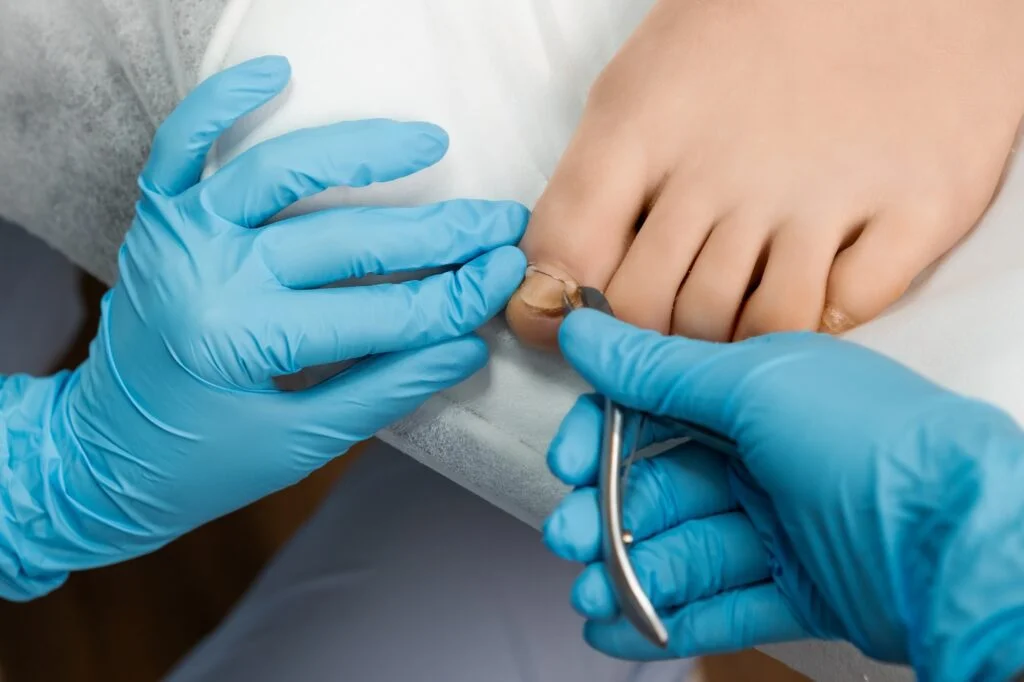
Ingrown toenails are nails where the corners or sides grow into the nearby soft tissue. The big toe is the most common location, but any toenail may become ingrown. When a toenail is ingrown, it is curved downward or flared out and grows into the skin, usually at the sides of the nail. This irritates the skin and often creates pain, redness, swelling, and warmth in the toe.
Ingrown toenails are the most common nail problems, often leading to pain, redness, swelling, drainage, and odor. If an ingrown nail eventually cuts into the skin, bacteria may enter and cause an infection of the adjacent area. Infected ingrown toenails may appear red, swollen, and warm to the touch, and they may ooze foul-smelling fluid (pus). Left untreated, an ingrown toenail can lead to further complications with the foot.
Ingrown toenails can occur due to a wide variety of problems, including improper trimming (especially cutting nails too short or rounding the corners), trauma such as stubbing your toe, tight or narrow shoes, heredity, and nail conditions like fungal infection or a previously lost nail.
Anyone can get an ingrown toenail, but your risk of complications is higher if you have diabetes, poor blood circulation, or nerve damage in the leg or foot. If you have any of these conditions, do not attempt to self-treat. See your foot doctor if there is any sign of infection around the toenail, such as drainage or excessive redness, or if home care fails to improve your symptoms within a day or two.
Treatment, Prevention, and Recovery
At SoCal Foot Care, we have performed over 15,000 ingrown nail surgeries with essentially pain free, permanent results and no down time from your busy schedule. Dr. Berenter knows that many patients fear coming in for treatment of an infected ingrown toenail. However, patients often come in with excruciating pain and are sent home feeling much better with the toenail issue resolved on the first visit.
Treatment is performed by gently numbing the toe and then removing the offending corner of the nail. If an infection is present, an oral antibiotic may also be prescribed. If the problem is chronic or there have been multiple infections, Dr. Berenter can apply a chemical to the nail root or matrix that permanently prevents regrowth of the ingrown portion while preserving the healthy nail tissue. Cosmetically, it is often impossible to tell the procedure was performed.
Following the procedure, a simple bandage is applied. Most people experience very little pain afterward and can resume normal activity within a day or two. If your doctor prescribed an oral antibiotic, take all the medication, even if your symptoms have improved.
Many cases may be prevented by trimming toenails straight across at a moderate length and wearing comfortable shoes with a wide toe box. Avoid the bathroom surgery approach: do not cut a notch in the nail, do not place cotton under the nail, and skip over-the-counter medications, which only mask the pain. If you have an ingrown nail, don’t be afraid to come in. Your treatment will be gentle and virtually painless, and you’ll be back to your normal activities almost immediately.
Ingrown Toenail Care Near You
Find a SoCal Foot Care location near you for expert ingrown toenail treatment.


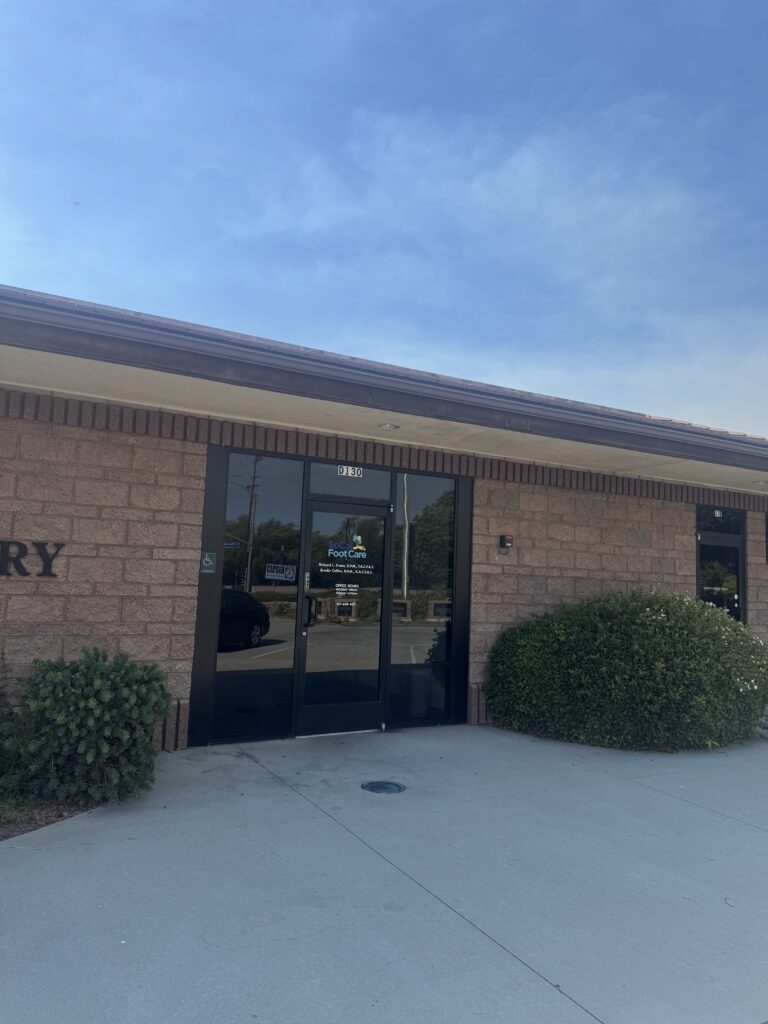



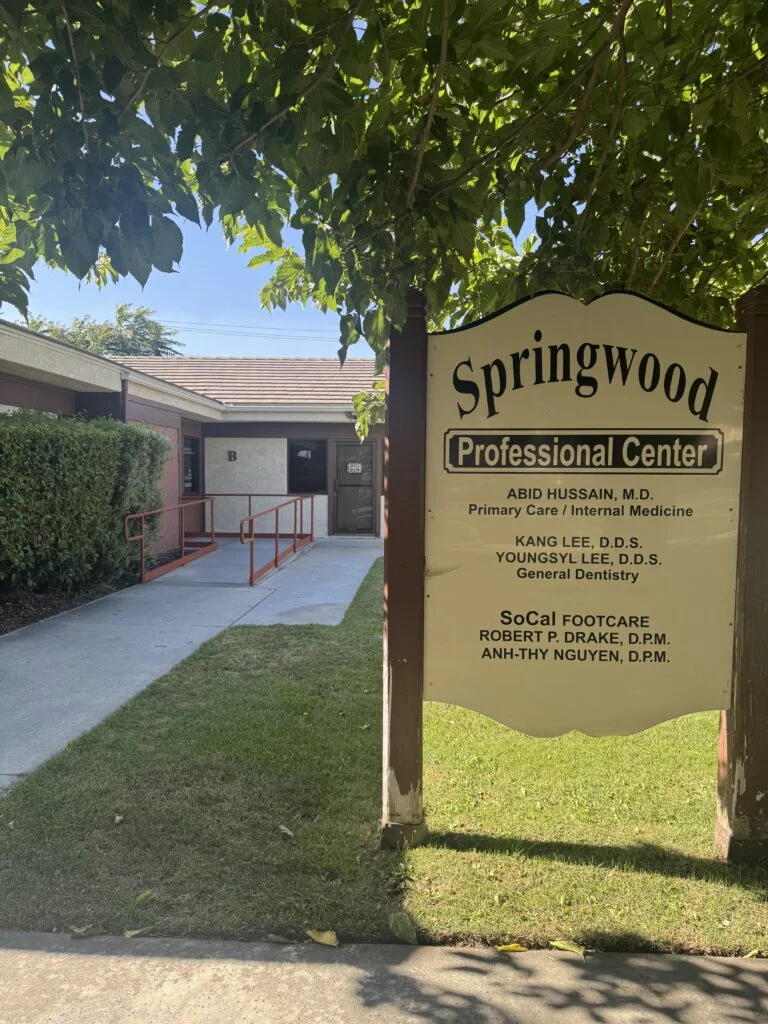



Don’t live with toenail pain, we’ll get you back on your feet today.
Book online or call your nearest office, you’ll feel better after one visit.