
Foot and Ankle Ulcers Wound Care
Wound care and limb preservation to help ulcers heal, prevent infection, and protect your feet and legs.
Understanding Foot and Ankle Ulcers
What ulcers are, why they form, and why prompt care matters for your feet.
Foot and Ankle Ulcer Treatment
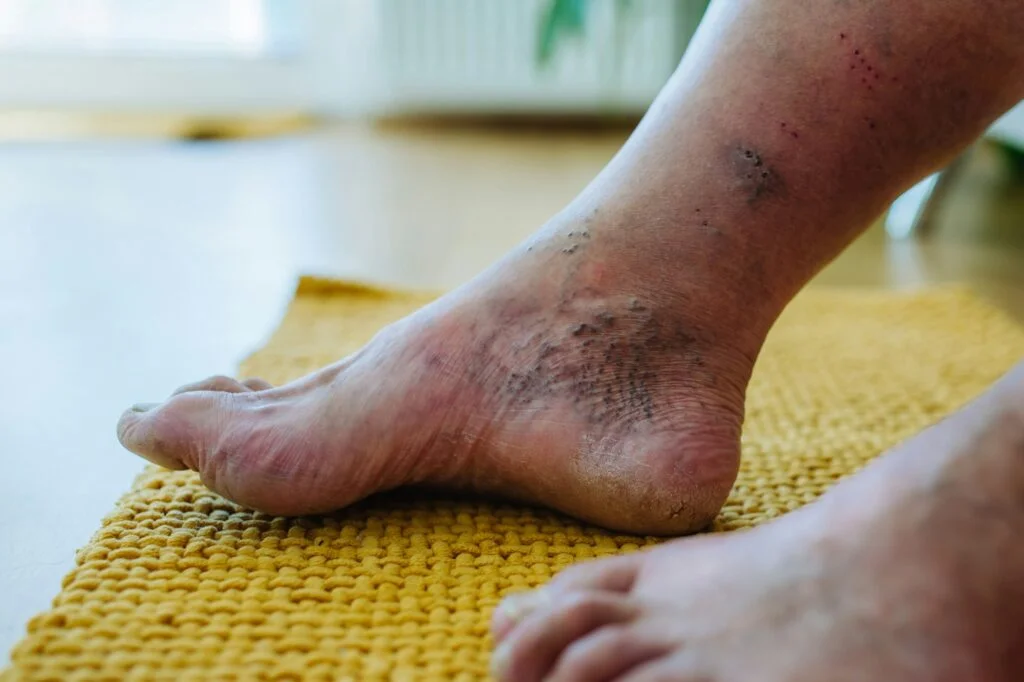
An ulcer is a sore in the skin that may go all the way to the bone. A diabetic foot ulcer is an open sore or wound that appears on the bottom of the foot and may lead to amputation if not treated quickly. Because of poor circulation and neuropathy, cuts or blisters can easily turn into ulcers that become infected and will not heal.
Force or friction against the bottom of your foot causes the skin to thicken, forming a callus. If the skin keeps thickening, the callus presses up into the foot, killing healthy tissue. You may not notice the pain if you have neuropathy, a health problem that limits feeling in your feet. As healthy skin dies, an ulcer forms. If bacteria enter, the wound may drain white, yellow, or greenish fluid, sometimes with a bad odor.
Pain is not a common symptom, but you may notice an open sore, drainage on socks, redness, or swelling. Foot deformities, pressure or friction from inappropriate shoes, and trauma can also cause ulcers.
During your foot exam, your doctor will ask about your health, including circulation, diabetes, or kidney problems. Your feet will be checked for hot spots and thickened skin, and sensation may be tested. If you have a deep pressure ulcer, an X-ray or bone scan may be done to check for bone infection. It is essential to seek a podiatrist’s help immediately if you notice an ulcer so treatment can begin.
Prevention and Daily Foot Care
Preventing an ulcer from developing is its best treatment. By taking care of yourself, you may be able to prevent pressure ulcers, or at least reduce your risk of getting one. Check your feet daily, work on your overall health, and protect your feet by wearing shoes and socks that don’t rub.
Inspect your feet every day, especially the soles and between the toes. Use a mirror if needed, or ask someone for help if your eyesight is poor. Look for cuts, scrapes, redness, drainage, swelling, bad odor, rash, discoloration, loss of hair on toes, or nail changes. If your foot is swollen, red, hot, or has changed in size, shape, or direction, see your doctor immediately. Do not ignore leg pain, especially pain at night or with light activity, which could mean you have a blocked artery.
Avoid “bathroom surgery.” Never trim calluses or corns yourself, and do not use over-the-counter medicated pads. If you have ingrown, hard, or thickened nails, or reduced feeling in your feet, your toenails should be properly trimmed by a professional. Keep floors free of needles, syringes, and other sharp objects, and do not go barefoot indoors or outdoors.
Shake out your shoes before putting them on and make sure your socks are not bunched up. Wear appropriate shoes that are supportive, roomy, and comfortable. Keep blood sugar levels under control, and reduce risk factors such as smoking, drinking alcohol, and high cholesterol. Visit your podiatrist regularly for comprehensive foot exams so small problems can be addressed before they worsen.
Foot and Ankle Ulcer Care Near You
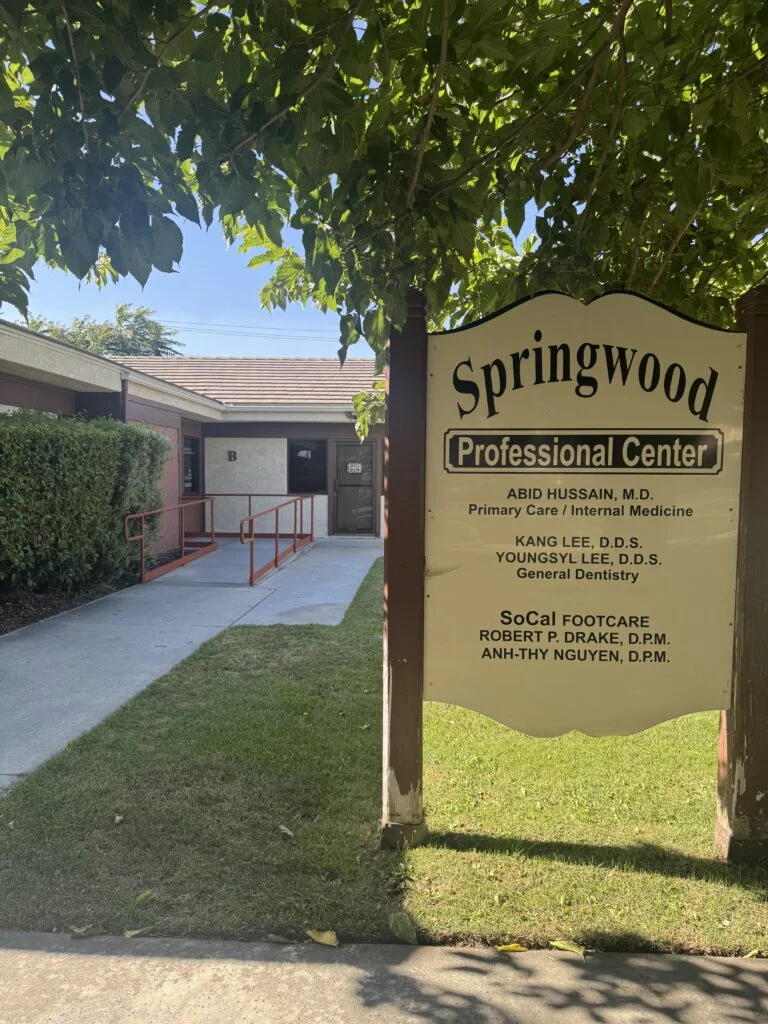
Find a SoCal Foot Care location offering wound care and limb preservation close to home.









Noticed a sore on your foot? Don’t wait, let’s take a look today.
Early care protects your feet and your health. We’re here to help you heal.