
Pediatrics Foot and Ankle Care
Compassionate podiatry care that helps your child’s feet grow strong, healthy, and ready for every step ahead.
What You Need To Know
Understanding your child’s foot development and when to seek care.
Caring for Your Child’s Growing Feet
Having strong, healthy feet allows your child to walk, run, and play. If your child’s feet form correctly, certain types of back and leg pain can be avoided later in life. It is important to nurture our children’s feet, as most of the issues we see in adults have stemmed from issues as children. The younger a child is assessed and diagnosed, the easier it is to treat and manage the issue.
Children’s feet are different from those of adults. When they are young, their bones are still very soft and are therefore more easily affected by abnormal pressure and forces. The primary goal of children’s foot care is ensuring your son or daughter’s feet transition correctly and comfortably into adulthood.
As young feet quickly develop, certain issues may arise that require professional care. Sometimes these issues are just a part of growing up and need a watchful eye to make sure they don’t turn into anything worse. Other times, intervention may be needed right away. In general, most common conditions that affect children’s feet will show themselves in the form of pain, an abnormal gait, or a change in the appearance of the foot.
You should bring your child to our office any time your child experiences foot pain or when you or your child notices an abnormality in the appearance of their feet. Pain in children is never normal and can be a sign of an injury, infection, or biomechanical issue that needs addressing. If you have any questions about your child’s feet, our pediatric podiatry specialists at SoCal Foot Care are here to help.
Foot Development and Footwear Tips
Both the size and shape of your child’s feet change quickly during the first year of life. Because a baby’s feet are flexible, too much pressure or strain can affect the shape of the foot. To help ensure normal growth, allow your baby to kick and stretch his or her feet. Also, make sure shoes and socks don’t squeeze toes.
Your toddler will walk when he or she is ready. Most children will take their first steps between nine and twelve months, though some may take a little longer. If at 15 to 16 months your child is not yet walking, it is recommended they are assessed. Many toddlers toe-in, but most outgrow the problem. If you notice an abnormal walking pattern such as in-toeing, out-toeing, or tip-toe walking, have your child’s feet evaluated.
The foot’s bone structure is pretty well formed by the time your child reaches age 7 or 8. If a growth plate is injured, the damaged plate may cause the bone to grow oddly. With a doctor’s care, however, the risk of future bone problems is reduced. An X-ray can show damage to a bone growth plate.
Proper footwear matters at every age. Infants don’t need to wear shoes and should have unlimited freedom of movement. Once your child is walking, allow them to walk barefoot inside the house and wear shoes with wide toe boxes when outdoors. Check shoe size often, make sure there is space between the toes and the end of the shoe, and avoid hand-me-downs, since most shoes mold to the foot and can affect the shape of your child’s feet. With attention to fit and development, you can help set your child up for a lifetime of healthy movement.
Related Services
Pediatric Foot Care Near You
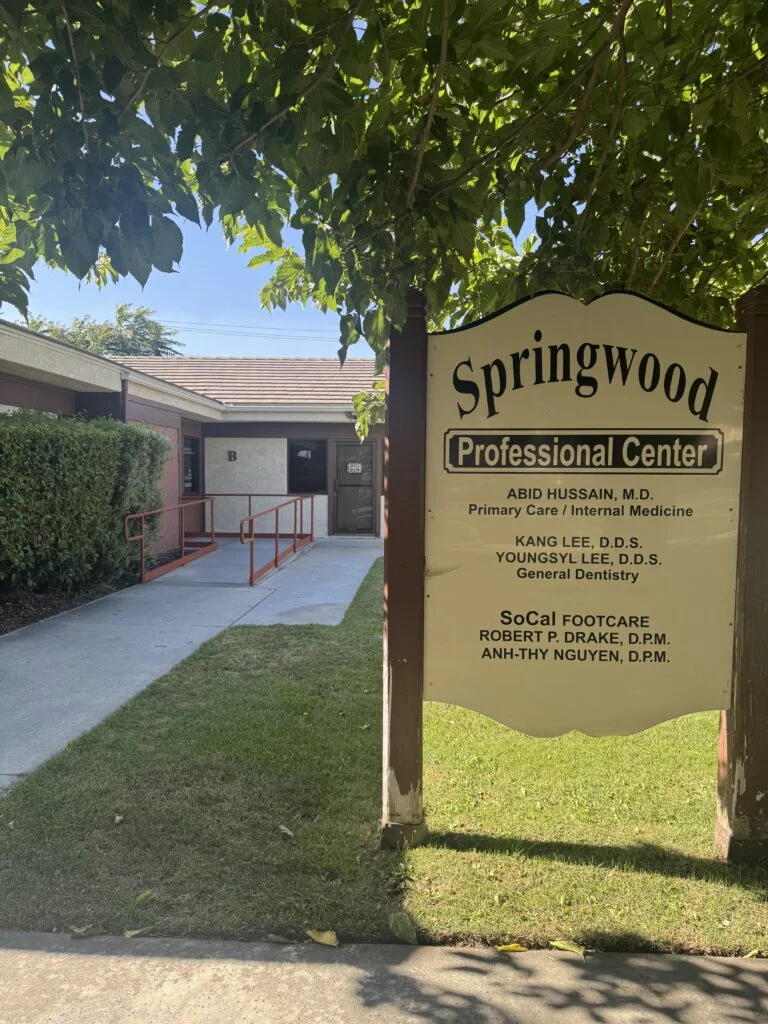
Find a SoCal Foot Care location offering pediatric podiatry close to home.









If you’re worried about your child’s feet, don’t wait to have them checked.
Early care makes a lasting difference. We’ll help your child get back to play.