
Wounds Care and Limb Preservation
Expert treatment for chronic wounds, ulcers, and diabetic foot complications to protect your mobility and prevent amputation.
What You Need To Know
Understanding chronic wounds, ulcers, and how expert care can help preserve your limbs.
Wound Care and Amputation Prevention
Left untreated, chronic conditions such as diabetes and peripheral arterial disease increase your risk of infection and, ultimately, amputation. Our providers specialize in limb preservation using a multi-disciplinary approach. If you regularly experience ulcers or slow-healing wounds, don’t hesitate to seek professional help for amputation prevention.
Chronic, non-healing wounds and ulcers require expert care to prevent the development of gangrene and the risk of limb amputation. Our podiatrists have training in the diagnosis and management of chronic, non-healing wounds like diabetic ulcerations, pressure ulcerations, venous ulcerations, and arterial or ischemic ulcerations. Ulcers can cause pain, itching, and general discomfort and can easily become infected, which may lead to gangrene and increases your risk of limb loss.
Ulcers are openings in the skin that often develop from the outside in and can introduce bacteria and develop infections. If ulcers get through the skin, they can cause significant problems with infections of muscle, bone, or blood poisoning. Ulcers can also develop from the inside out from metabolic conditions or eruptions of localized abscess, which causes greater concern.
Our providers diagnose the cause of your wound after a thorough consultation and physical exam. We ask about your medical history, chronic health conditions, lifestyle, and symptoms, and we examine your wound to assess for artery and vein involvement and determine severity. If you have a slow-healing wound, contact us to schedule an evaluation as soon as possible.
Treatment, Prevention, and Skin Grafts
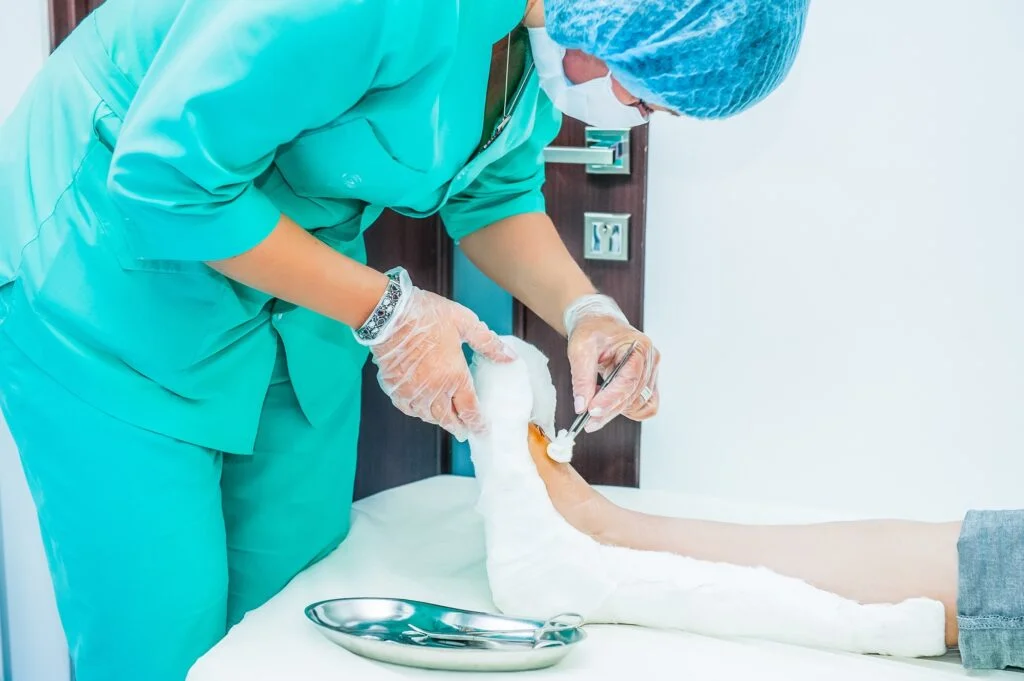
Once a diabetic wound is discovered, it should be treated as soon as possible by a podiatrist to avoid infection. At your visit, the wound will be cleaned with water only and any damaged or dead tissue will be removed from the area. Using soap, hydrogen peroxide, or iodine can make the problem worse. Depending on severity, antibiotic ointment will be applied and covered with a bandage that should be changed daily.
When treating an ulcer, we first establish good blood flow, which brings oxygen and healing enzymes to regrow tissue and skin. Our podiatrists debride the wound to ensure all damaged tissue is removed so healthy tissue can grow. Topical medications help prevent infection, and depending on severity, we may discuss skin grafting. We work with vascular surgeons and reconstructive microsurgeons to repair damaged blood vessels so your body can heal.
A skin graft is a procedure in which living tissue is removed from one part of the body and transferred to another. Skin grafts can help restore mobility, promote movement, and even save limbs. There are two main types: split-thickness grafts and full-thickness grafts, chosen based on the size and location of the wound.
You can help prevent wounds by checking your feet daily, washing and drying them, wearing properly fitted shoes, and trimming your toenails straight across. Many wounds can be healed without surgery, but if other treatments prove unsuccessful, surgery may be required to avoid amputation. Contact us to build a long-term treatment plan that protects your feet.
Related Services
Wound Care Locations Near You
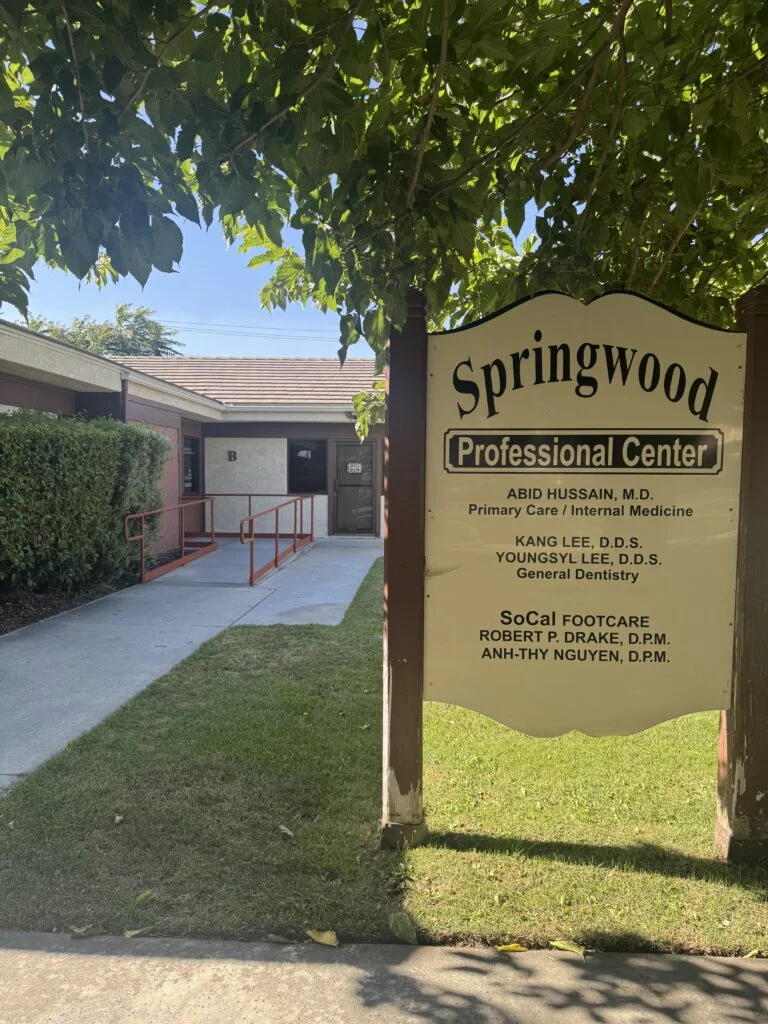
With multiple locations across Southern California, expert wound care is close to home.









Don’t wait on a slow-healing wound, let’s protect your feet today.
Our team’s ready to help you heal and keep you moving comfortably.