
Shockwave Therapy for Foot Pain
A noninvasive, FDA-cleared treatment that uses pressure waves to relieve chronic heel, tendon, and soft tissue pain.
What You Need To Know About Shockwave Therapy
How Shockwave Therapy works, what conditions it treats, and what to expect during care.
Understanding Shockwave Therapy
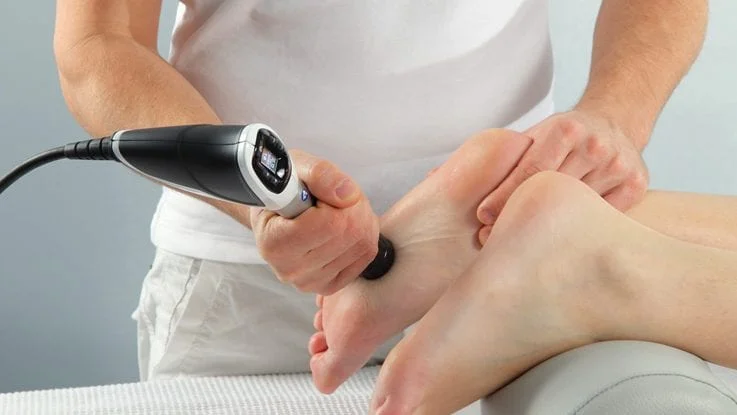
Shockwave Therapy is an effective and noninvasive, FDA-approved technique for treating bone and soft tissue disorders around the foot and ankle. It relies on a unique set of pressure waves that stimulate metabolism, enhance blood circulation, and accelerate healing.
High-intensity acoustic pressure waves are released into the target tissue during treatment. Pain relief happens two ways: increased blood flow reduces inflammation, and the waves interfere with how pain signals reach the brain. Pulses gradually increase in intensity throughout the session, causing harmless micro-trauma that triggers your body’s own healing response.
This approach addresses acute or chronic musculoskeletal pain that limits mobility or quality of life. Common conditions include plantar fasciitis, Achilles tendonitis, posterior and anterior tibial tendonitis, peroneal tendonitis, plantar plate injuries, and interdigital neuromas. Plantar fasciitis is the most common cause of foot pain, and while roughly 90% of cases resolve with conservative care, about 10% become chronic.
It’s typically considered once treatments like stretching, orthotics, night splints, anti-inflammatories, and injections haven’t resolved pain after several months. If you’ve been living with persistent heel or tendon pain, our team at SoCal Foot Care can evaluate whether this treatment is your right next step.
The Procedure and Recovery
Treatment is administered with a hand-held applicator over 3 sessions, each lasting approximately 5 to 10 minutes and spaced 1 to 2 weeks apart. Coupling gel is applied to the treatment area, and pressure waves are released as the applicator moves over the area in a circular motion. No anesthesia, nerve block, or sedation is needed since the procedure is performed in-office.
Success rates are equal to or greater than traditional treatment methods, including surgery, without the risks, complications, or lengthy recovery time. Patients can bear weight and walk immediately, return to work and normal activities within 24 to 48 hours, and resume strenuous activity after about 4 weeks. No bandages or casts are necessary.
Some patients notice immediate pain relief, though it can take up to four weeks for relief to begin. Most feel significantly better within a month, with full benefits developing over up to three months as new tissue forms. Over 80% of patients treated report being pain free or experiencing significant pain reduction.
Risks and side effects are minimal when the procedure is performed by a qualified provider, with no risk of infection or scarring. Mild discomfort, redness, or bruising may occur and typically resolves within a few days. Safety hasn’t been established for patients with malignancies or deep vein thrombosis, so your provider will review your health history before recommending treatment, helping you get back to the activities you enjoy.
Where to Find Shockwave Care
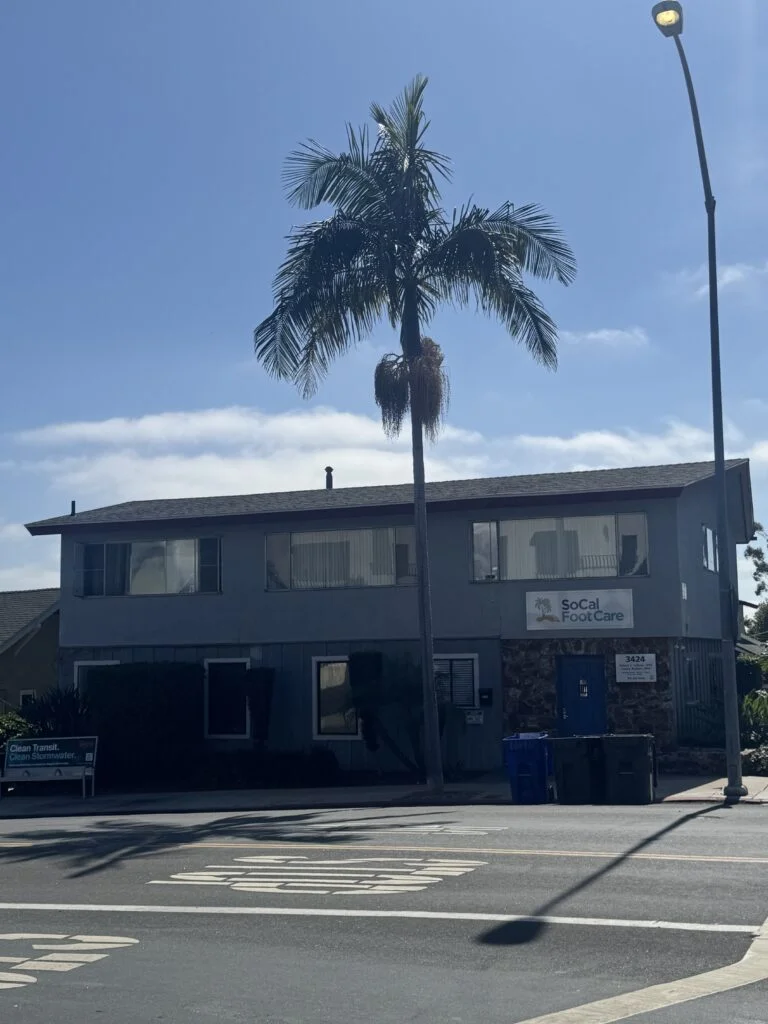
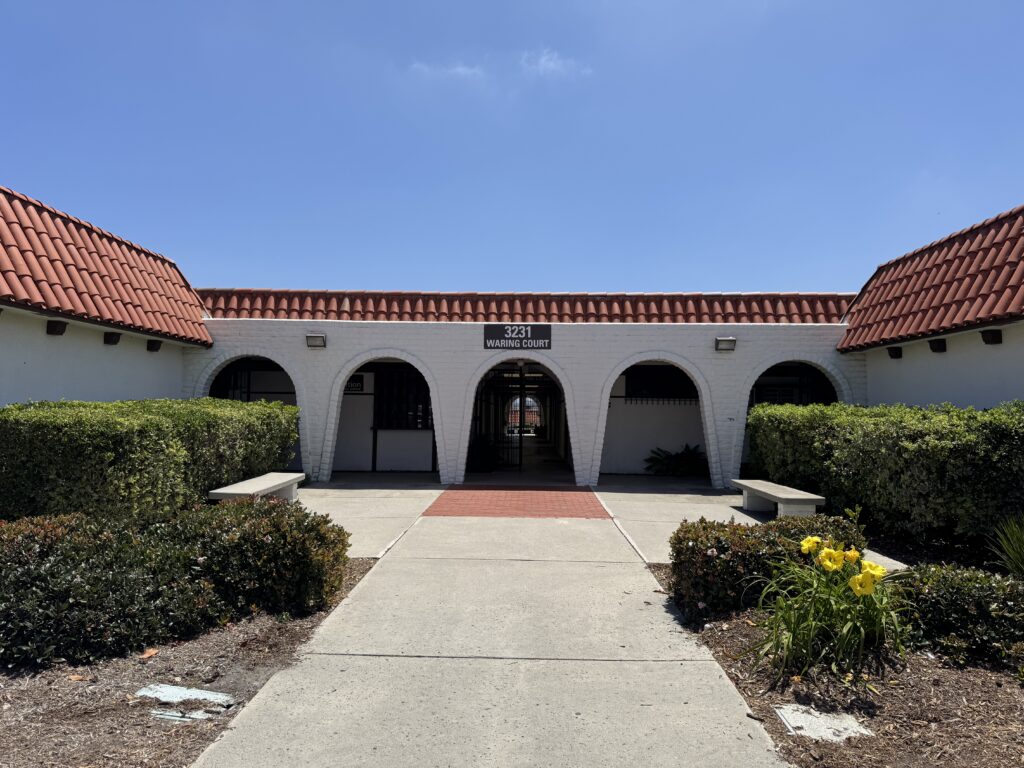
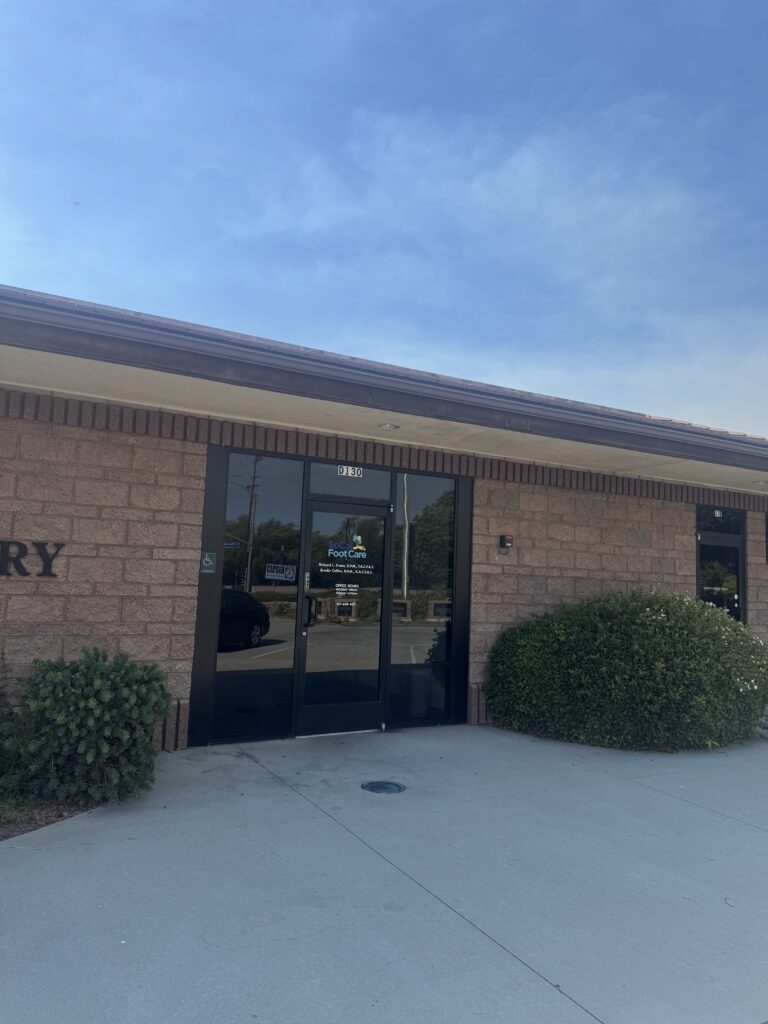
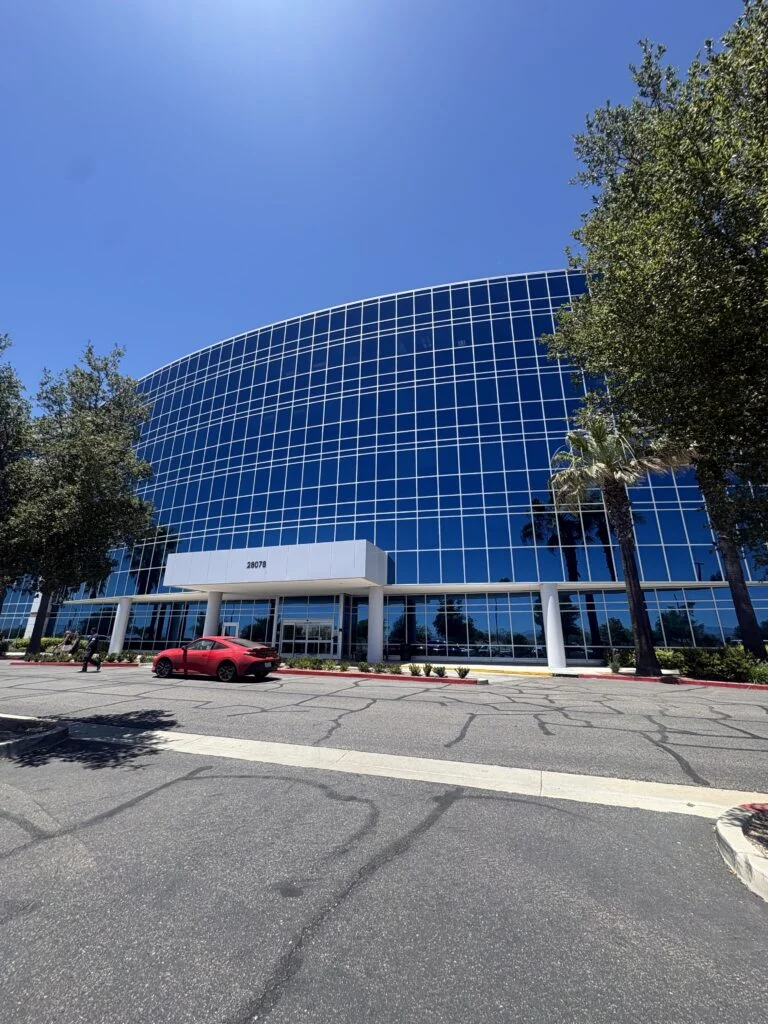
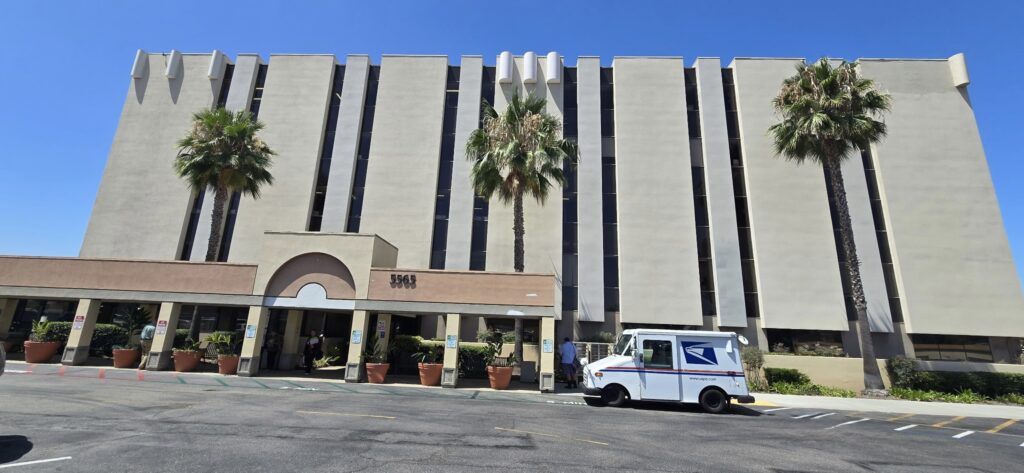
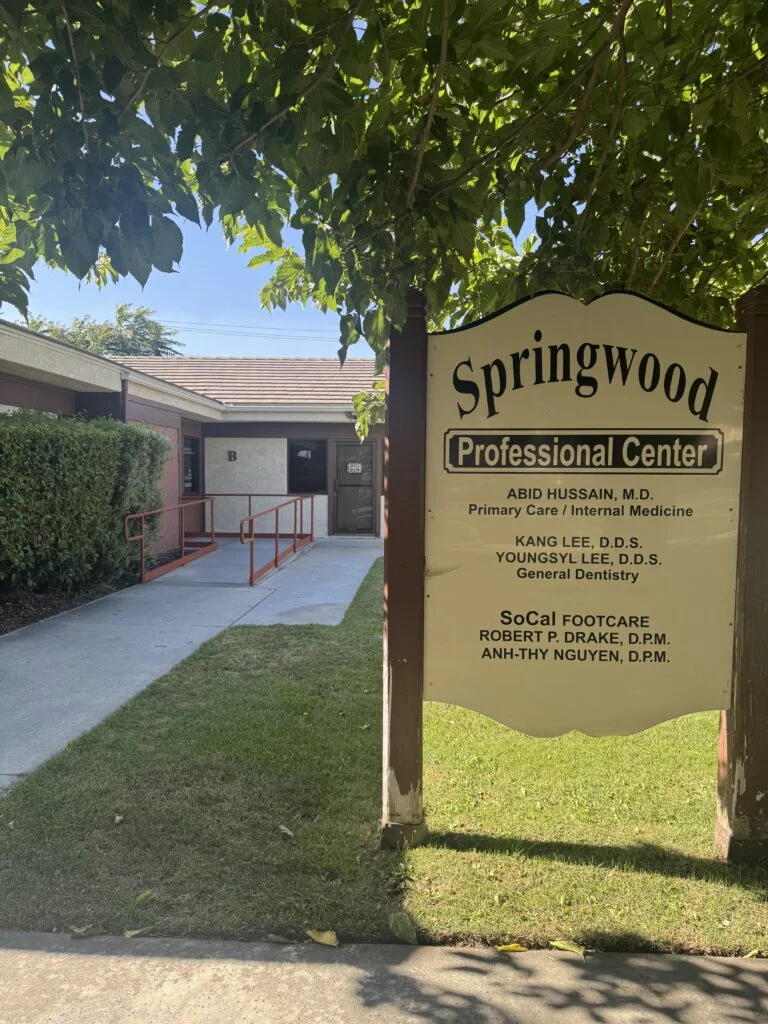
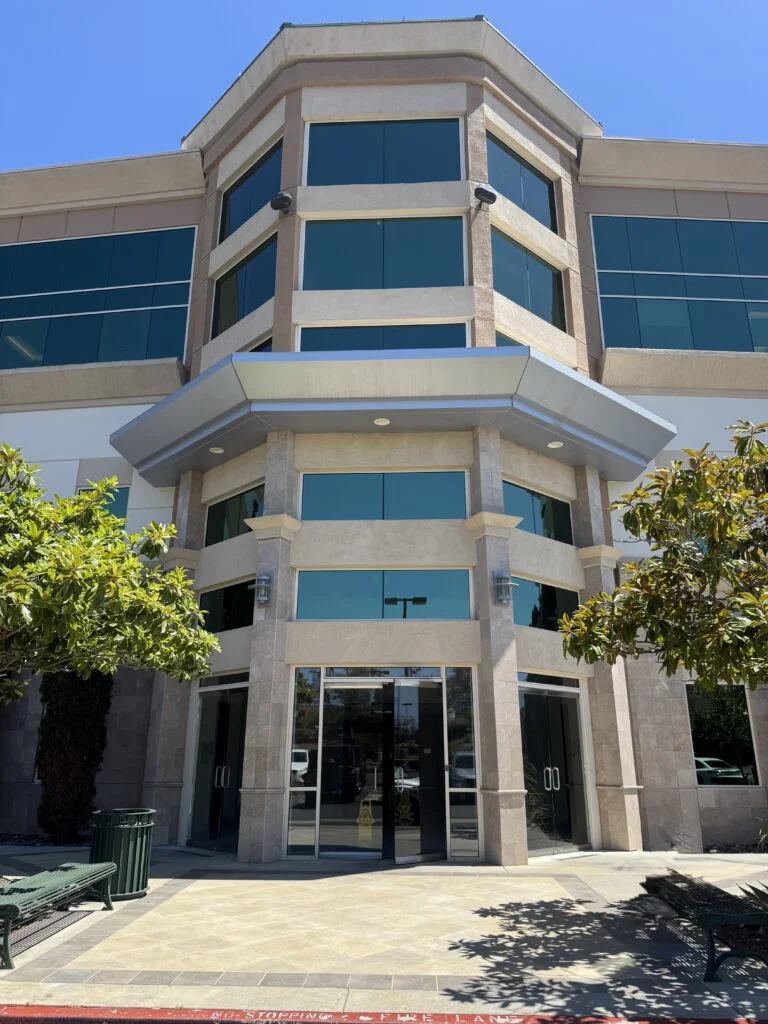
Visit a SoCal Foot Care location near you to learn if shockwave therapy is right for your condition.



Ready to get back on your feet without surgery or downtime?
Book a visit with SoCal Foot Care and we’ll see if shockwave therapy is right for you.