
Achilles Tendonitis Care and Relief
Targeted treatment for heel cord pain, stiffness, and swelling so you can walk, run, and move comfortably again.
What You Need To Know
Understanding Achilles tendonitis, its symptoms, and how we approach treatment.
Understanding Achilles Tendonitis
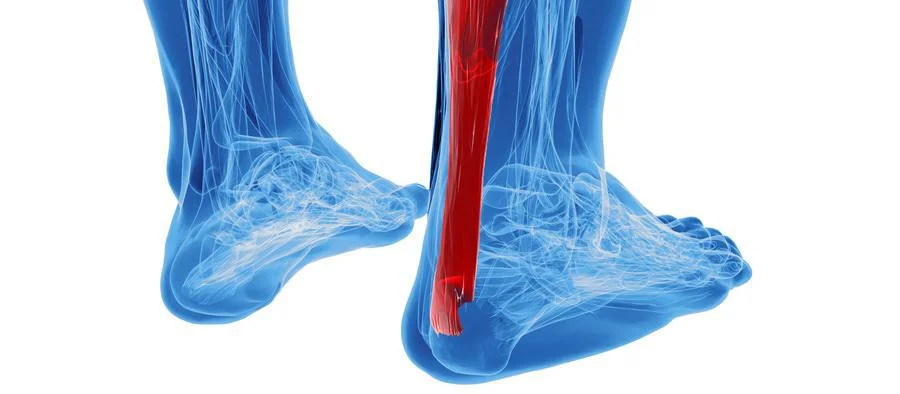
The Achilles tendon is the band of tissue that runs down the back of the lower leg, connecting the calf muscle to the heel bone. Also known as the heel cord, it is not only the strongest but also the largest tendon in the human body. Its main function is to transmit power from the calf muscles to the heel and foot, allowing us to stand on our toes when walking, running, or jumping. Even with all of its strength, the Achilles tendon has a limited blood supply and endures high tensions, which can leave it vulnerable to injury.
Achilles tendonitis is inflammation of the Achilles tendon, and it is typically short-lived. Over time, if not resolved, it may progress to a degeneration of the tendon (Achilles tendinosis), in which the tendon loses its organized structure and develops microscopic tears and thickening. Sometimes the degeneration involves the site where the tendon attaches to the heel bone, and other times it is in the middle of the tendon.
Symptoms include aching, firmness, or soreness within the tendon. Pain often appears upon getting out of bed in the morning or standing after periods of rest, then improves with motion. Some people report the opposite, with pain worsening as activity increases. Tenderness or sharp pain when the sides of the tendon are squeezed is also common.
Achilles tendonitis is usually caused by a sudden increase or repetitive activity that places too much stress on the tendon. If your pain is persistent and rest and icing do not help, it is time to visit a podiatrist so we can evaluate the tendon and start the right treatment plan.
Treatment and Prevention Options
To treat Achilles tendonitis, we will first focus on relieving your pain. Immobilization with a cast, posterior splint, or removable walking boot can reduce forces through the Achilles tendon and promote healing. Ice applied over a thin towel for 20 minutes at a time helps reduce swelling, and nonsteroidal anti-inflammatory drugs such as ibuprofen may help reduce pain and inflammation in the early stage.
For those with overpronation or gait abnormalities, custom orthotic devices may be prescribed. Night splints help maintain a stretch in the Achilles tendon during sleep, and physical therapy may include strengthening exercises, soft-tissue massage, gait and running re-education, stretching, and ultrasound therapy. As a general rule, unless there is a rupture present, we tend to avoid surgery of the Achilles tendon, since less invasive techniques can help improve Achilles tendinosis without opening up the tendon for repair.
One of those less invasive options is the TenJet device, which targets and treats the source of chronic tendon pain. TenJet uses a controlled, high pressure stream of saline to remove diseased tendon while sparing healthy tissue. When used in a minimally invasive procedure, stitches may not be needed, and most insurance companies provide reimbursement for tenotomy procedures.
To prevent recurrence, we may recommend strengthening and stretching exercises that build the tendon’s ability to withstand higher loads and improve flexibility of the tendon, calf, and hamstring muscles. With the right combination of rest, therapy, and prevention, most patients return to their normal activities with lasting relief.
Find Achilles Tendonitis Care Near You
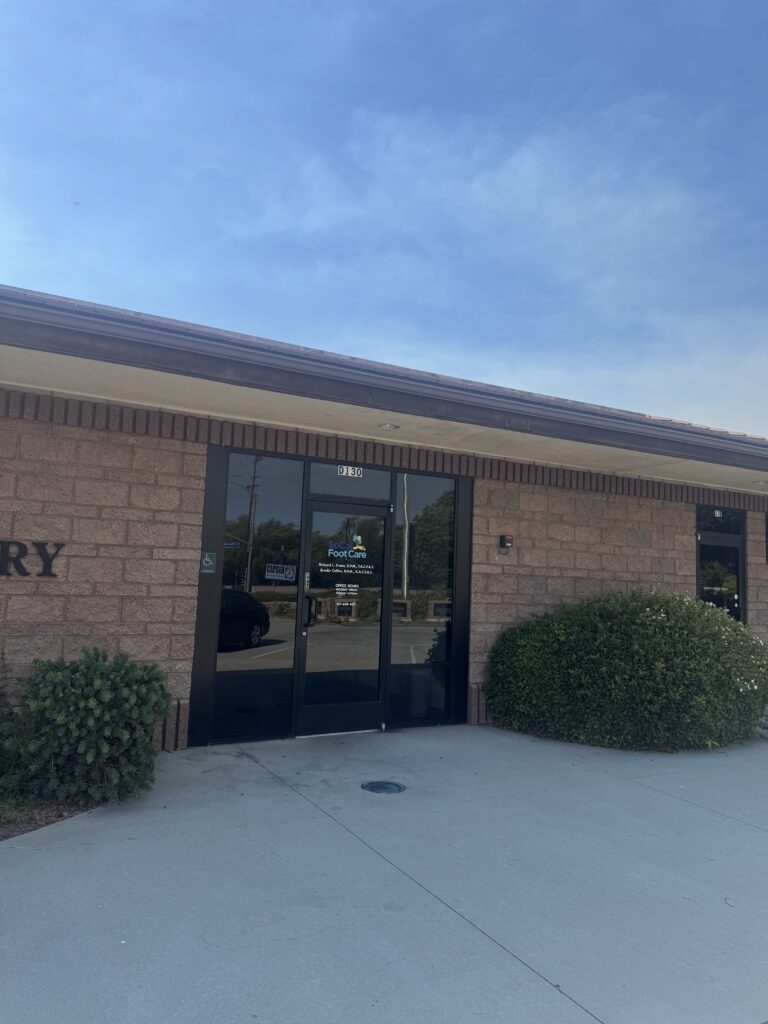
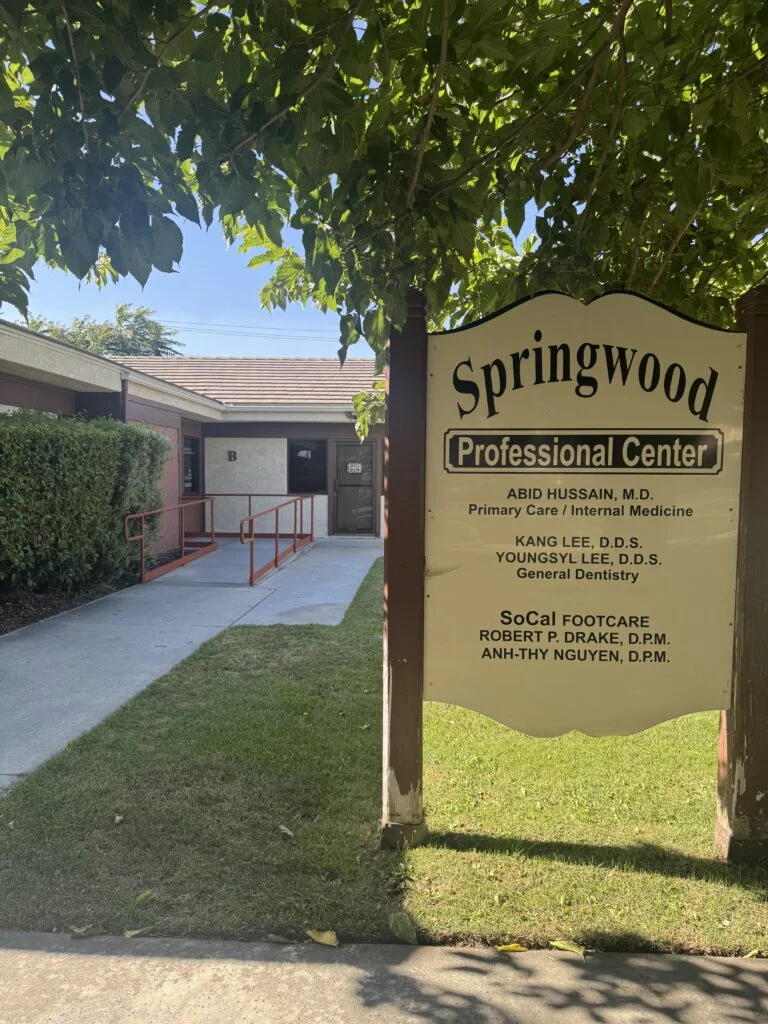
Visit any of our convenient SoCal Foot Care locations for expert Achilles tendon treatment.








Don’t let Achilles pain slow you down any longer, let’s get you back on your feet.
We’re here to help you find relief with a plan that’s built around your needs.