
Sports Medicine and Sports Injuries
Expert care for foot, ankle, and lower leg sports injuries to help you recover and get back to the activities you love.
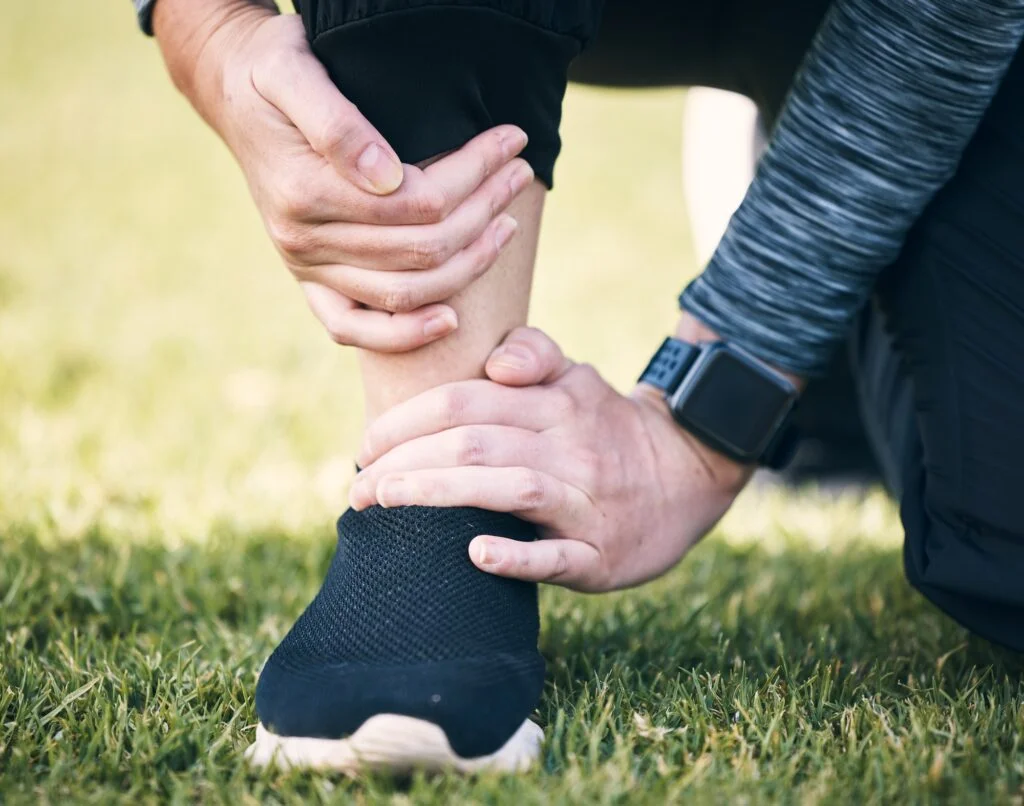
What You Need To Know
How our podiatrists diagnose and treat sports injuries of the foot, ankle, and lower leg.
Sports Injury Care for Active Patients
Podiatrists have training in the examination, diagnosis, and treatment of conditions that affect the lower leg, ankle, and foot. Our podiatrists have advanced training in the care of sports injuries.
We treat any injury of the lower leg, ankle, or foot, including foot and ankle fractures, ankle sprains (including high ankle sprains), muscle strains, tendonitis, plantar fasciitis, Achilles tendon problems, leg cramps, shin splints, and flexor tendon injuries. We also care for sport-specific conditions like turf toe, talar dome lesions, and metatarsalgia.
Some of the most common reasons to see a podiatrist after a sports injury are moderate or severe bruising, weakness in the leg or foot, pain or difficulty bearing weight, feeling like your leg, ankle, or foot may give out, foot and ankle fractures, swelling, decreased range of motion, and heel pain.
Podiatrists perform a variety of orthopedic tests and assessments to diagnose sports injuries. We have digital X-rays available on-site and can refer you for additional imaging, like an MRI, if needed. Exams are thorough and efficient, so you can get an accurate diagnosis and proper treatment as soon as possible.
Treatment and Return to Play
Since the severity of sports injuries varies widely, we work with you to determine the best course of treatment based on your symptoms, diagnosis, and goals for returning to play.
Treatment is thorough and incorporates a mix of passive therapies, like ice, heat, shockwave therapy, MLS Laser Therapy, and taping, along with active rehab and physical therapy to speed up your healing. For fractures and other serious injuries, we provide treatment to repair the damage before rehabbing your muscles and joints in order to help you get back to the gym or on the field.
For specific injuries like turf toe, initial treatments include rest, ice, compression, and elevation (RICE), as well as a change to less-flexible footwear. A stiff-sole shoe or walking boot (cam walker) are commonly used. For metatarsalgia, changing shoes to styles with arch supports and wide toe boxes can help relieve symptoms, and a metatarsal pad can help return the arch and toes to their normal anatomical positions.
Prevention matters too. Athletes or anyone who runs or works out must wear the proper footwear for their chosen activities. New shoes must have adequate cushioning and, for those who run or repeatedly jump on hard surfaces, choose rubber heels and soles for better shock absorption. Your podiatrist can help you identify and improve areas of weakness that may have contributed to your injury so you can prevent future pain and stay in the game.
Locations Offering Sports Injury Care
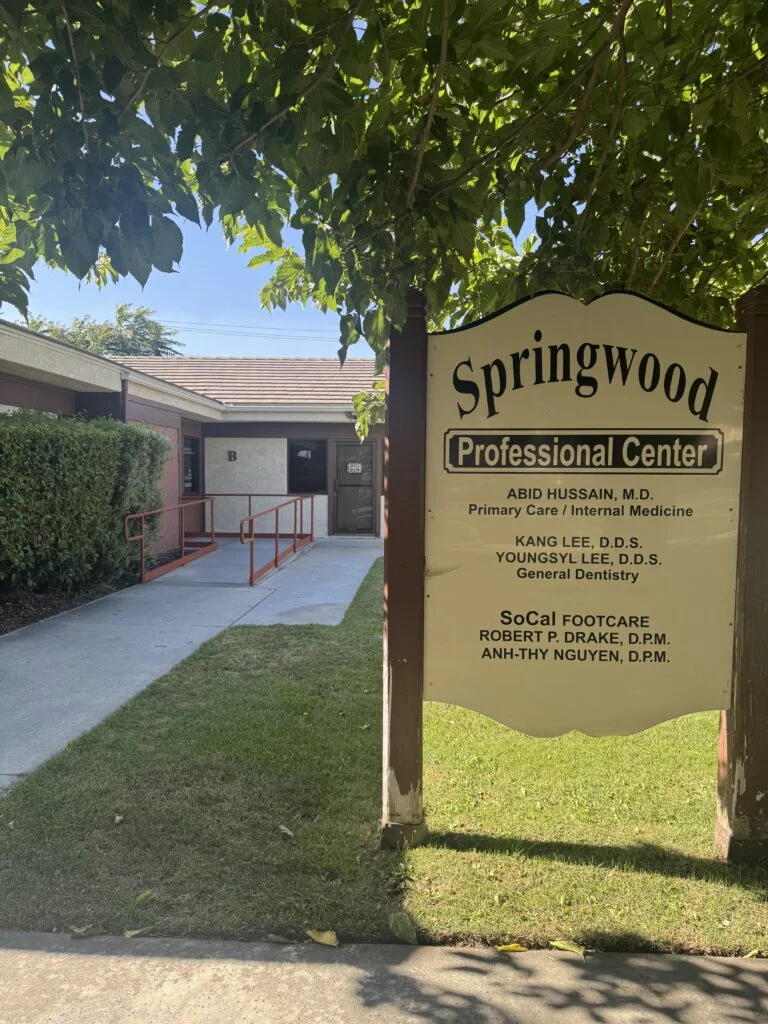
Find a SoCal Foot Care location near you for convenient sports injury care.









Don’t let a sports injury sideline you any longer than it has to.
We’ll help you recover and get back to the activities you love.