
Acute Pain and Injuries Treatment
Prompt evaluation and treatment for foot and ankle injuries, sprains, fractures, lacerations, burns, and sesamoid pain.
What You Need To Know
Understanding acute foot and ankle injuries and when to seek professional care.
Foot and Ankle Injury Care
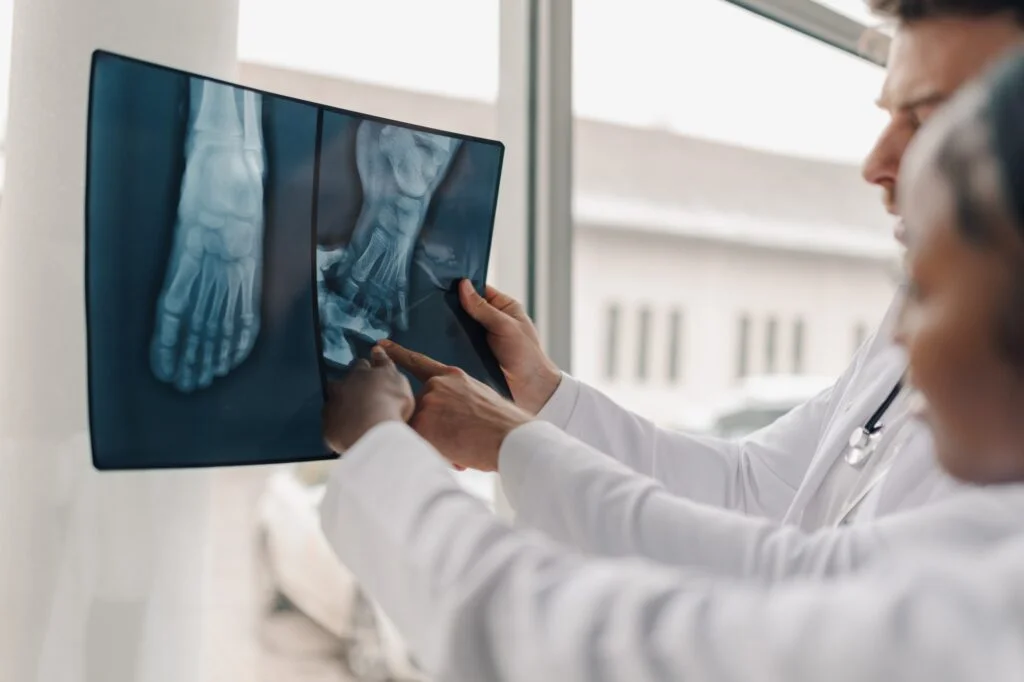
A foot injury can significantly impact your mobility and your regular level of healthy activity. An injury to the foot can impact any of its 26 bones, as well as its joints, ligaments, muscles or tendons. Injuries are usually due to overuse or trauma and can include sprains, fractures, and other complications. Injuries to the intricate structures of the foot can cause inflammation, swelling, pain, inability to bear weight, nerve damage, and hindered mobility.
Common symptoms of foot trauma include piercing pain, throbbing continuous pain, pain that increases with activity and lessens with rest, inflammation, bruising, tenderness, walking difficulty, balance issues, and difficulty bearing weight. If left untreated, foot injuries can cause issues for the knees, legs, hips, and low back and may affect your long-term ability to walk, run, or engage in sports.
Foot and ankle trauma can happen to anyone. Common causes include impact injuries from accidents and high-impact sports, medical conditions such as arthritis and low bone density, overtraining, age-related bone weakening, obesity, and ill-fitting footwear. Common injuries include strains, sprains, fractures, tendinitis, Achilles tendon rupture, torn tendons, and sesamoiditis.
Mild foot trauma can sometimes be treated with rest, over-the-counter medication, and RICE treatment. If symptoms do not improve in a day or worsen, it is better to see a podiatrist for a thorough health history, physical exam, and diagnostic testing.
Lacerations, Burns, and Sesamoid Injuries
A laceration is an open cut or wound that happens when the skin tissue or muscle is torn. Lacerations may be caused by sharp objects, blunt trauma, or puncture wounds. Minor cuts may heal with antiseptic ointment and a medicated bandage, while deeper cuts may require sutures. Penetrating wounds can injure nerves or tendons, and severe cases may need surgical repair to reconnect the tissue.
Burns form when tissue is damaged by fire, heat, radiation, chemical, or electrical contact. First-degree burns affect only the outer layer of skin and usually respond to topical silver sulfadiazine, pain relievers, and a dressing. Second-degree burns affect deeper skin and may need stronger antibiotics or skin grafts. Third-degree burns are severe, may cause scarring and deformity, and often require surgery and skin grafts to restore function.
Sesamoid injuries involve the small bones embedded in the tendon beneath the big toe joint. The three types are turf toe, which injures the soft tissue around the big toe joint; sesamoid fractures, which can be acute or chronic from repetitive stress; and sesamoiditis, an overuse injury involving chronic inflammation. These injuries are often linked to running, basketball, football, volleyball, golf, tennis, and ballet, and to high arches or frequent high-heel wear.
Nonsurgical treatment for sesamoid injuries may include padding or taping, immobilization, NSAIDs, physical therapy, steroid injections, or custom orthotic devices. When these fail, surgery may be required. Call us or request an appointment online so we can develop a treatment plan to get you back in action.
Related Services
SoCal Foot Care Locations
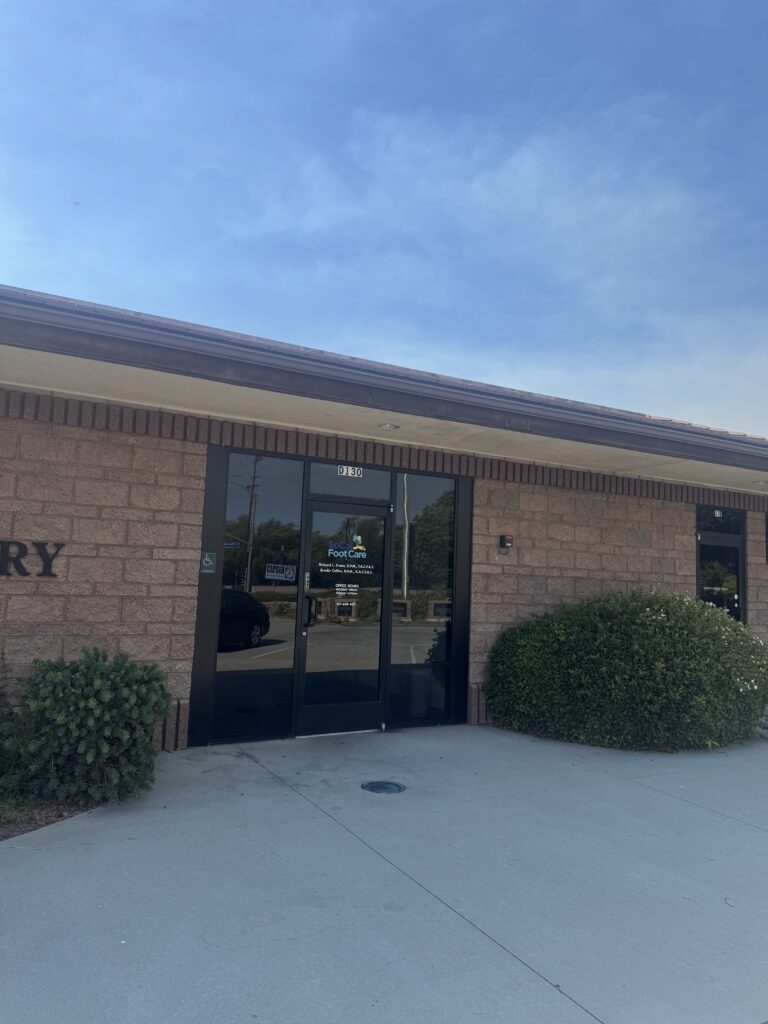
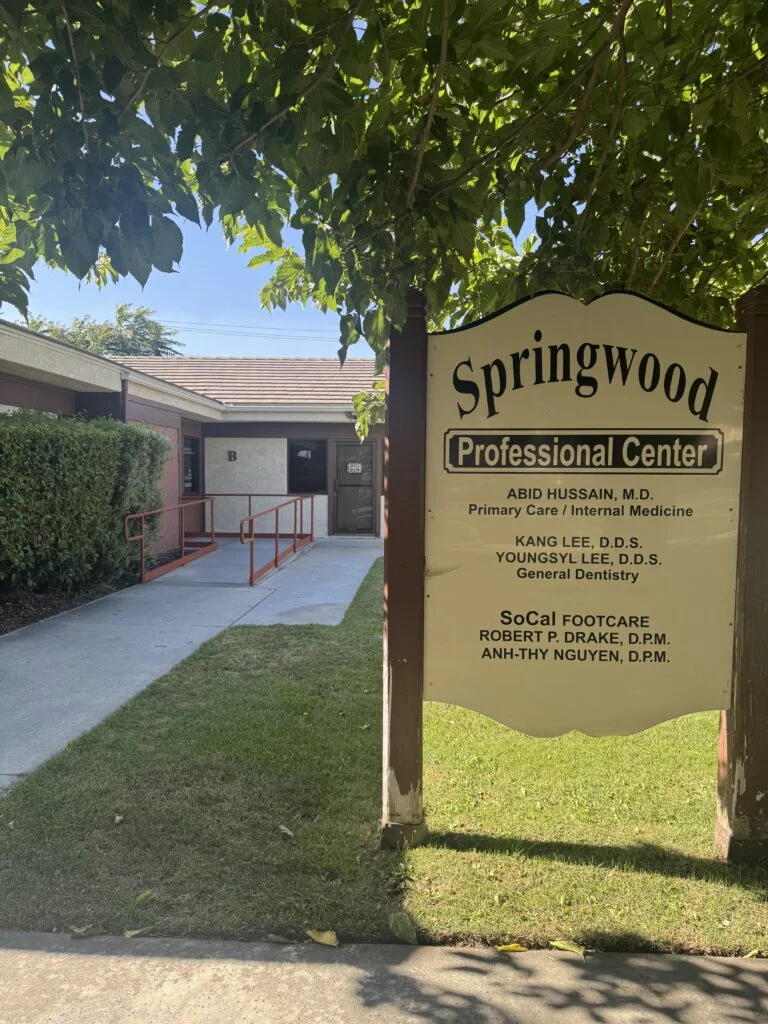
Find a convenient location near you for acute injury evaluation and treatment.








Don’t wait on foot pain, let’s get you moving comfortably again
We’re here to evaluate your injury and start you on the road to recovery.